12 Textured Ceiling Ideas That Make Your Home Feel Cozy and Unique

For the longest time, I thought ceilings were just blank space above my head—something you paint white and forget about. But then I started noticing how a little texture can completely change the mood of a room. My own living room felt flat and echoey until I added some subtle texture overhead. Suddenly, the space felt warmer, more finished, and honestly, way more interesting.
If you’re tired of staring at a boring, smooth ceiling (or maybe you’re covering up some old popcorn texture you hate), you’re in the right place. Let me walk you through twelve textured ceiling ideas that actually look good and don’t feel like a construction nightmare. These are real, doable options for anyone who wants their home to feel a little more special.
I’ve tried a few of these myself, and I can tell you—texture isn’t just about hiding flaws. It’s about adding character. Let’s get into it.
1. Knockdown Texture for a Subtle, Handcrafted Look
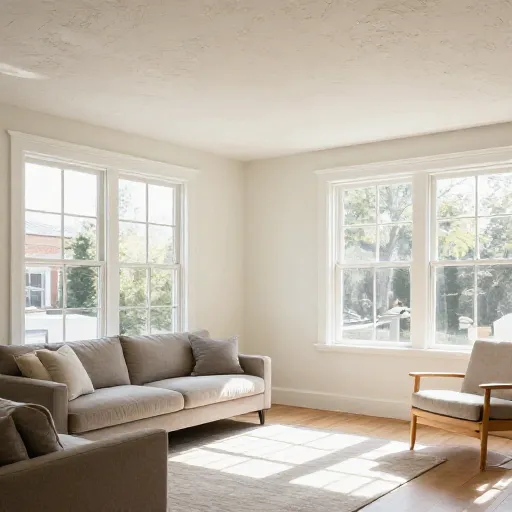
Knockdown texture is probably my favorite go-to. It’s not too rough, not too smooth—just right. You spray on a joint compound, let it set for a few minutes, and then “knock down” the peaks with a wide knife. The result is a soft, mottled pattern that catches light beautifully.
I did this in my hallway, and it instantly made the space feel more custom. It’s forgiving too—if you mess up, you can scrape it and try again. Plus, it hides small imperfections like a champ.
- Works best in living rooms and bedrooms
- Easy to touch up later if needed
- Adds a warm, organic feel without being dramatic
2. Skip Trowel for a Venetian Plaster Vibe
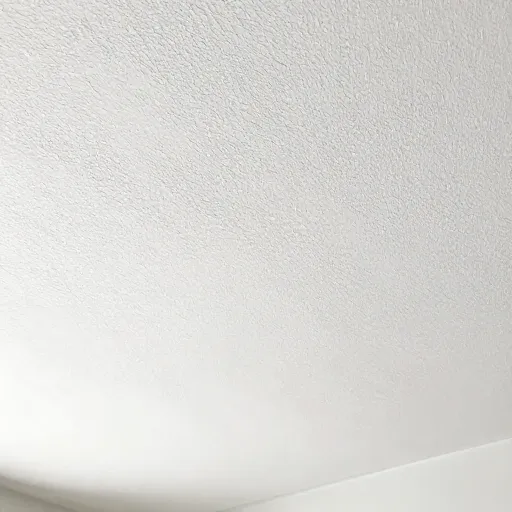
Skip trowel gives you that old-world, hand-troweled plaster look without the price tag. You apply thin layers of joint compound with a trowel, skipping over areas to create a random, slightly mottled surface. It’s artistic in a subtle way.
I love this for dining rooms or entryways where you want to impress guests. The texture is smooth to the touch but visually rich. It also pairs well with crown molding if you want something a bit dressier.
- Great for formal spaces
- Can be painted any color
- Gives a high-end feel for less money
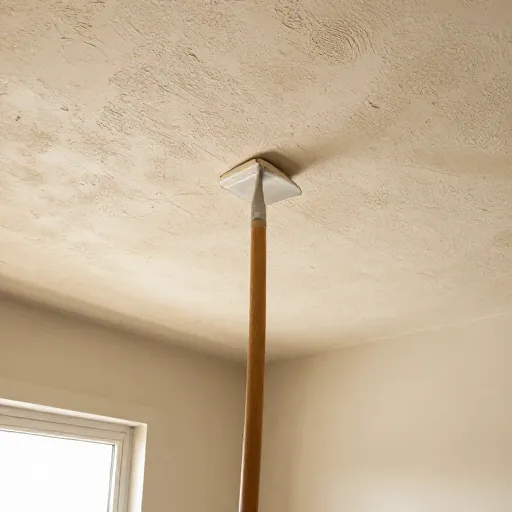
3. Orange Peel Texture (The Classic)
Orange peel is that subtle, bumpy texture you see in a lot of newer homes. It’s sprayed on with a hopper gun and looks just like—you guessed it—the skin of an orange. It’s not as aggressive as popcorn, but it still hides flaws well.
I recommend this for anyone who wants texture but doesn’t want it to be the main event. It’s neutral, easy to match, and low-maintenance. If you ever need to patch it, you can buy a can of orange peel spray at any hardware store.
- Perfect for bathrooms and kitchens
- Quick to apply
- Subtle enough for any style
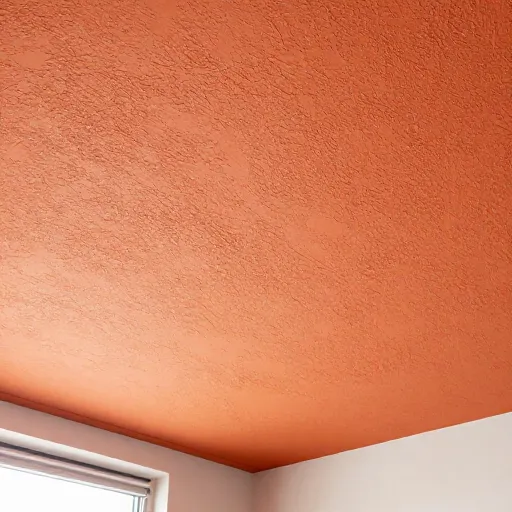
4. Wood Planks for a Rustic Farmhouse Feel
Wood planks on the ceiling? Yes, please. Whether you use reclaimed barn wood, shiplap, or even tongue-and-groove panels, wood adds instant warmth. It’s like wrapping the room in a cozy blanket.
I saw this in a friend’s cabin-style living room, and the wood ceiling made the whole space feel grounded and inviting. You can leave it natural, stain it dark, or paint it white for a more modern farmhouse look. Just make sure your room has enough height—wood can make a low ceiling feel smaller.
- Best for cabins, bedrooms, or reading nooks
- Pairs nicely with exposed beams
- Adds natural texture and color
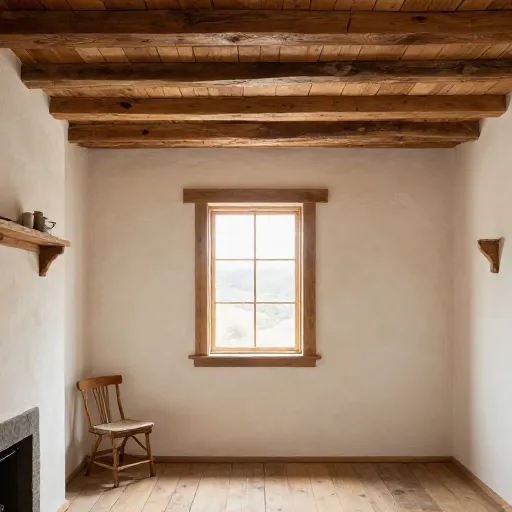
5. Beadboard for a Cottage Charm
Beadboard is those narrow vertical planks with a little groove between them. It’s classic, clean, and reminds me of cozy beach cottages. On the ceiling, it adds a gentle rhythm without being overwhelming.
I put beadboard on my porch ceiling, and it made the space feel like an extension of the house rather than just an afterthought. Paint it white for a breezy look, or go with a soft blue for something unexpected.
- Great for porches, sunrooms, and bathrooms
- Easy to install as panels
- Hides ceiling imperfections well
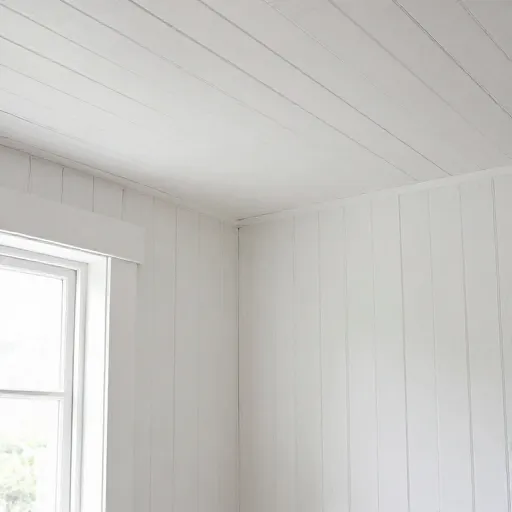
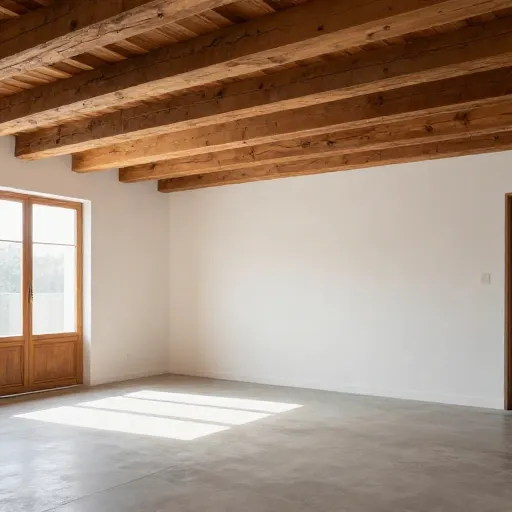
6. Exposed Beams for Architectural Drama
Nothing says character like exposed wooden beams. They don’t have to be structural—you can install faux beams that look just as good. The key is to keep them balanced so the room doesn’t feel heavy.
I love how beams draw your eye up, making the room feel taller and more grand. You can go dark for contrast or match them to your wood trim for a cohesive look. They work in modern, rustic, and even industrial spaces.
- Adds instant architectural interest
- Faux beams are lightweight and easy to install
- Works best in open-concept rooms
7. Tin Tiles for Vintage Flair
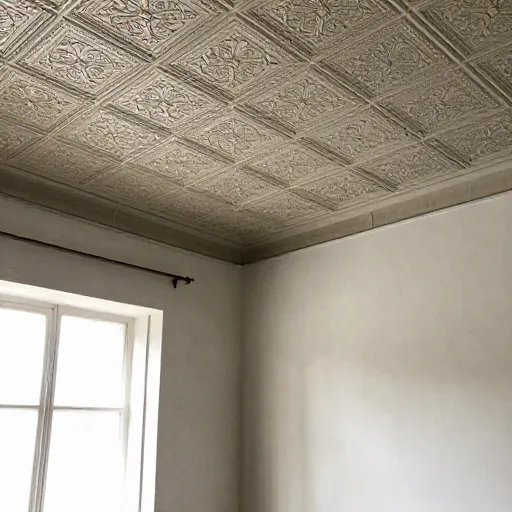
Tin tiles on the ceiling are a throwback to old general stores and Victorian homes. They come in all sorts of patterns—diamonds, flowers, geometric shapes. The metallic finish reflects light, making the room feel brighter.
I used a small section of tin tiles over my kitchen island, and it became the focal point of the room. You can buy them as easy-to-install panels or individual tiles. Paint them white for a softer look, or leave them metallic for full vintage vibes.
- Perfect for kitchens, dining rooms, and entryways
- Adds texture and shine
- Available in many patterns
8. Stenciled Patterns for a Custom Look
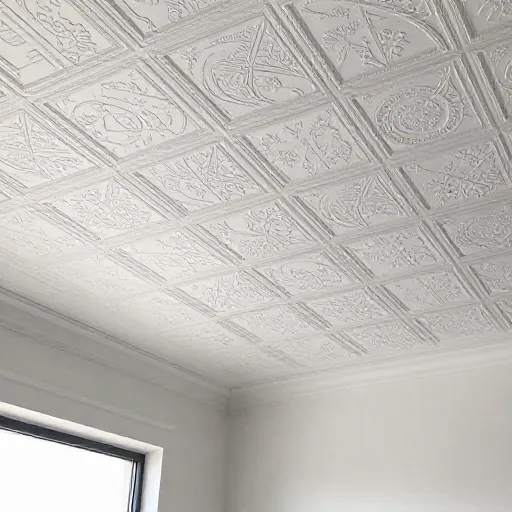
If you want texture without changing the actual surface, stenciling is your friend. You can use a textured paint or joint compound to create raised patterns. Think Moroccan tiles, damask, or simple geometric shapes.
I stenciled a subtle geometric pattern on my home office ceiling, and it makes me smile every time I look up. It’s a weekend project that doesn’t cost much. Just make sure to use a good stencil brush and take your time.
- Great for renters or DIYers
- Endless design possibilities
- Can be painted over later
9. Metallic Paint or Glaze for a Shimmering Effect
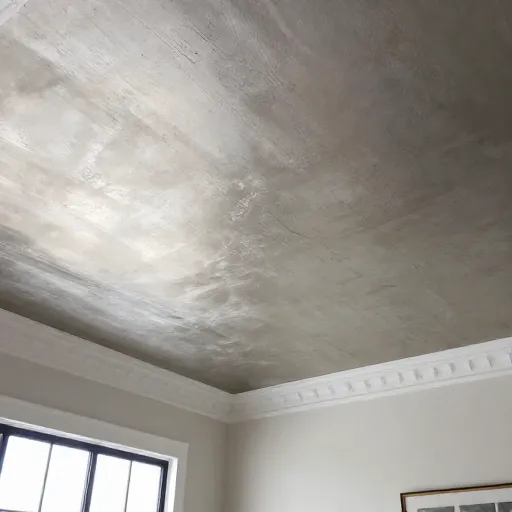
You don’t always need physical texture to make a statement. A metallic paint or glaze can add a subtle shimmer that changes with the light. It’s like having a soft, glowing ceiling that feels luxurious.
I did a champagne metallic glaze in my hallway, and it makes the space feel more open and elegant. It works best in rooms with good natural light. Use a sponge or rag to apply it for a mottled, textured look.
- Adds depth without bulk
- Works in modern and glam spaces
- Easy to apply over existing paint
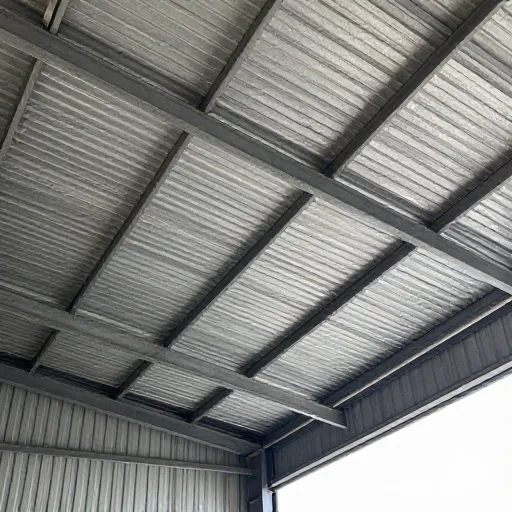
10. Faux Tin or Metal Panels for Industrial Edge
If you love the tin tile look but want something more industrial, try faux metal panels. They’re lightweight, often made of PVC or plastic, and mimic corrugated metal or tin patterns. They give that urban loft feel without the weight.
I put these in my basement, and it transformed the space from drab to cool. You can paint them any color, but dark gray or black really sells the industrial vibe.
- Great for basements, garages, or man caves
- Easy to clean and durable
- Adds an edgy, modern feel
11. Fabric-Covered Ceilings for Softness and Sound Absorption
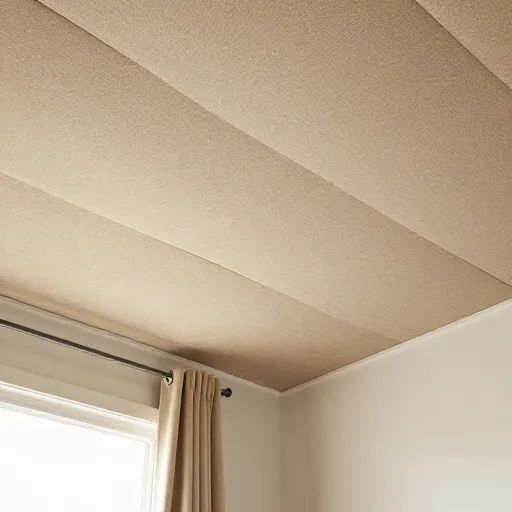
This one is a little unusual, but hear me out. You can stretch fabric across a ceiling frame for a soft, upholstered look. It’s amazing for bedrooms or home theaters because it absorbs sound and feels cozy.
I’ve only seen this in photos, but I’m dying to try it in a reading nook. You can use any fabric—linen, velvet, even patterned cotton. It’s a statement that’s both practical and beautiful.
- Reduces echo and noise
- Adds warmth and softness
- Works best in small rooms
12. Geometric 3D Panels for Modern Drama
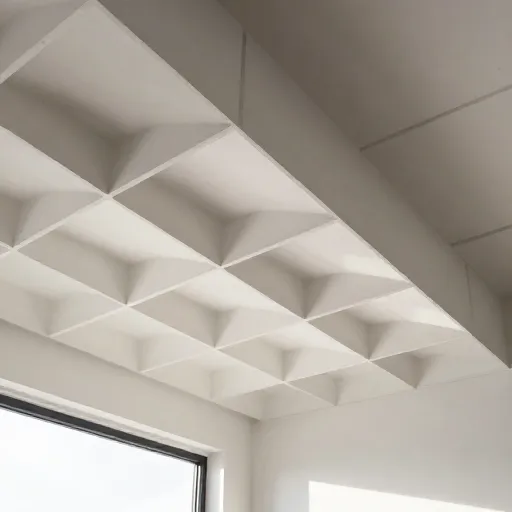
These are those sculptural panels you see in modern homes and trendy restaurants. They come in shapes like hexagons, waves, or pyramids. You install them like tiles, and they create a serious visual impact.
I used a small section of hexagonal panels over my bed, and it feels like a piece of art. They’re usually made of lightweight PVC or MDF, so they’re not too heavy. Paint them the same color as the ceiling for a subtle look, or contrast them for boldness.
- Best for accent areas or feature ceilings
- Creates a contemporary, high-end look
- Easy to install with adhesive
Conclusion
Your ceiling doesn’t have to be an afterthought. Whether you go for a simple knockdown or a dramatic 3D panel, texture adds personality and warmth to any room. I’ve seen how a little change overhead can make a house feel like a home—cozy, interesting, and truly yours.
Take your time, pick a texture that matches your style, and don’t be afraid to get a little creative. You might just find yourself looking up a lot more often.
[[IMG:IMG14]]
Frequently Asked Questions
1. Can I add texture to a ceiling without redoing the whole thing?
Absolutely. You can use textured paint, stencils, or even add lightweight panels or planks over the existing ceiling. No need to tear anything down.
2. What’s the easiest texture for a beginner DIYer?
Orange peel or knockdown are both beginner-friendly. They’re forgiving, and you can practice on a piece of cardboard first. Just watch a few tutorials before you start.
3. Will textured ceilings make a small room feel smaller?
It depends on the texture. Smooth, subtle textures like orange peel won’t shrink a room. But heavy textures like deep wood planks or dark beams can make a low ceiling feel tighter. Stick with light colors and low-profile textures in small spaces.
4. How do I clean a textured ceiling?
Most textured ceilings just need a gentle dusting with a soft brush attachment on your vacuum. For tougher spots, use a slightly damp cloth—but don’t scrub too hard, or you might damage the texture.
5. Can I paint over a textured ceiling later?
Yes, you can paint any textured ceiling. Just use a roller with a thicker nap to reach all the nooks and crannies. A flat or matte finish usually hides imperfections best.
[[IMG:IMG15]]