13 Formal Dining Room Ideas That Actually Feel Like Home

I used to think formal dining rooms were stiff, dusty spaces reserved for holidays and in-laws. But over the years, I’ve learned they can be some of the coziest, most personality-filled rooms in the house. The trick is balancing elegance with everyday livability. You don’t want guests to feel like they’re sitting in a museum.
Whether you’re starting from scratch or just want to refresh your space, these thirteen ideas will help you create a dining room that feels special without feeling stuffy. Let’s make your dining table the heart of your home, not just a showpiece.
1. Start with a Statement Light Fixture
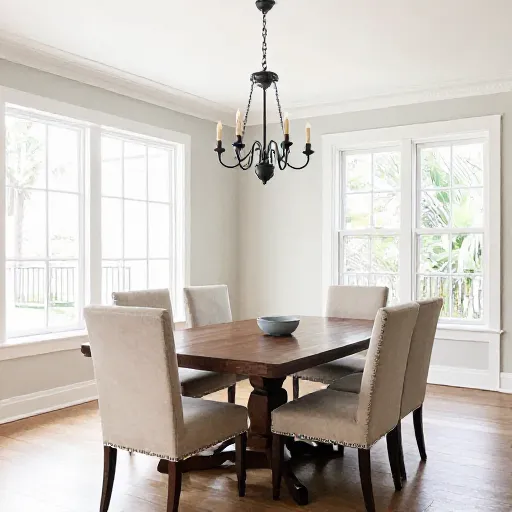
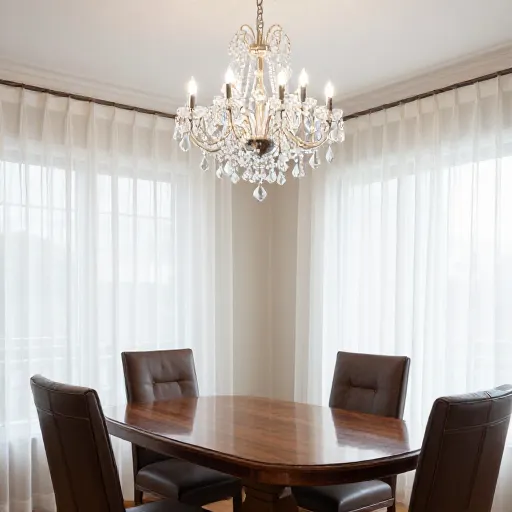
Your chandelier or pendant light sets the whole mood. Don’t be afraid to go oversized or choose something sculptural. I love a warm brass or black wrought iron fixture because it adds instant character.
Hang it low—about 30 to 36 inches above the tabletop. This creates intimacy and makes the room feel grounded. Even a simple room feels dressed up with the right light above the table.
2. Mix Up Your Seating
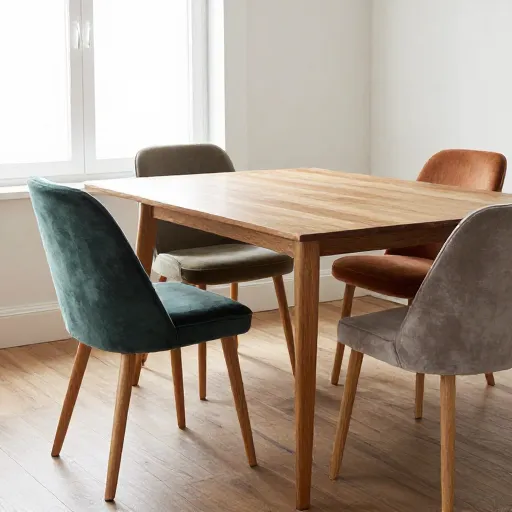
Matching chairs are fine, but mismatched seating adds so much life. Try upholstered host chairs at the ends and wooden side chairs along the sides. Or mix two different styles of chairs for a collected-over-time look.
I once used velvet chairs on one side and cane-back chairs on the other. It felt eclectic but still pulled together. Just keep the scale similar so no one feels cramped.
3. Add a Bold Rug Under the Table
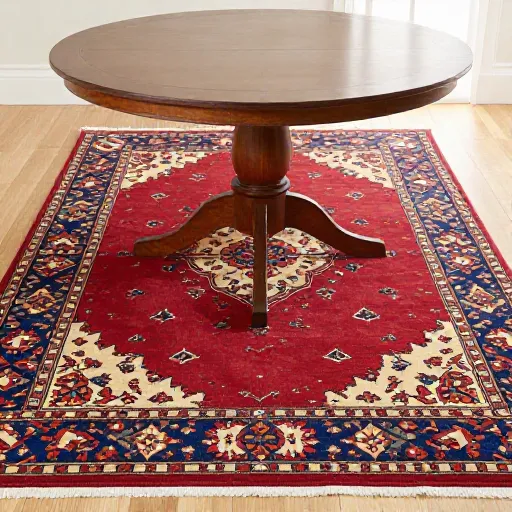
A rug anchors the room and softens the sound. Go for something with a pattern or rich color that can hide small spills. Make sure it extends at least 24 inches past the table on all sides so chairs don’t catch on the edge.
I love a vintage-inspired floral or a geometric pattern in deep blues or greens. It adds warmth and makes the space feel intentional.
4. Use a Sideboard or Buffet for Storage and Style
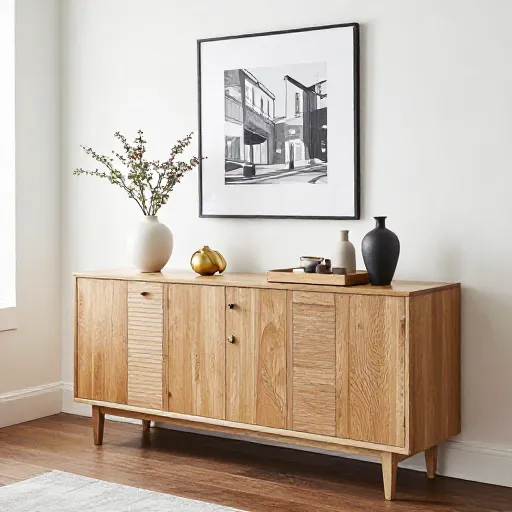
A sideboard isn’t just for storing china. Use it to display a coffee station, a stack of linen napkins, or a collection of vases. It balances the room and gives guests a place to set down a plate.
Look for one with closed storage below and open shelving above. This keeps clutter hidden while letting you show off a few pretty things.
5. Layer Your Table Settings
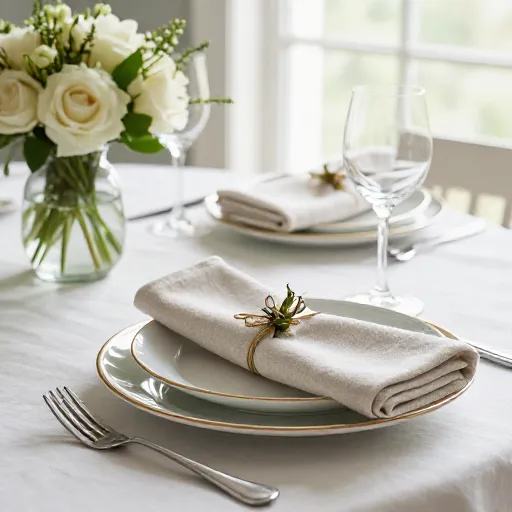
Even for a casual dinner, layering makes the table feel special. Start with a tablecloth or runner, then add chargers, plates, and cloth napkins. You don’t need matching everything—mix textures like linen, ceramic, and wood.
I keep a set of neutral linens and swap in colorful napkins or fresh flowers to change the vibe. It’s an easy way to dress up the table without buying a whole new set of dishes.
6. Bring in Natural Elements
Fresh flowers are obvious, but think bigger. A branch of eucalyptus down the center, a bowl of seasonal fruit, or even a few potted herbs can make the table feel alive. Greenery softens the formality instantly.
In winter, I use dried branches or pinecones. In summer, it’s all about big leafy stems. It’s a low-cost way to change the room’s personality every few weeks.
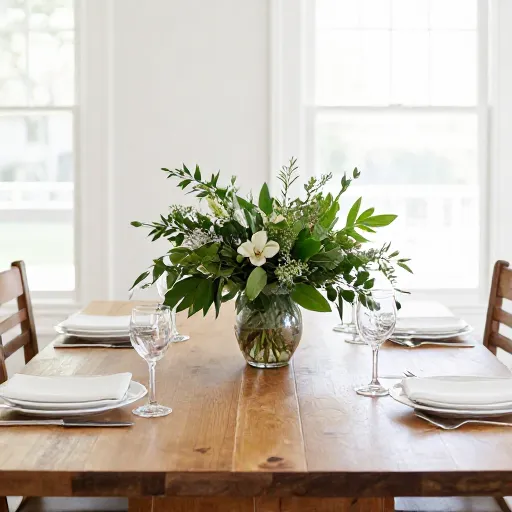
7. Paint the Ceiling a Surprising Color
This is my secret weapon for making a dining room feel special without spending much. Paint the ceiling a soft blush, pale blue, or even a matte black. It draws the eye up and makes the room feel more intimate.
If you’re nervous, start with a light color. A dusty pink or a warm gray-blue adds just enough interest without overwhelming the space.
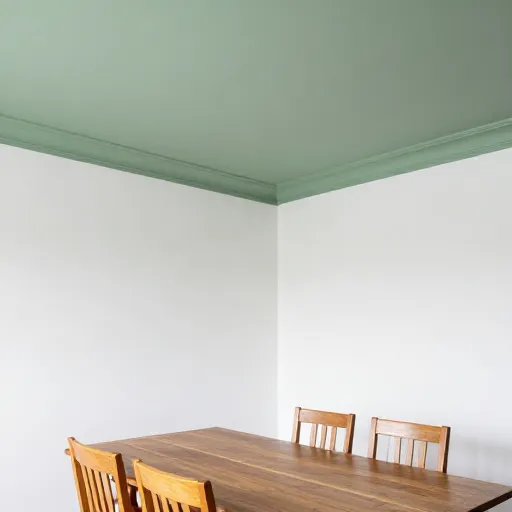
8. Install Wainscoting or Board and Batten
Wall paneling adds instant architectural interest. It doesn’t have to be expensive—DIY board and batten can be done in a weekend. Paint it white for a classic look or a soft sage for something more modern.
This gives the room structure and makes even a simple table and chairs feel more polished. Plus, it hides wall imperfections beautifully.
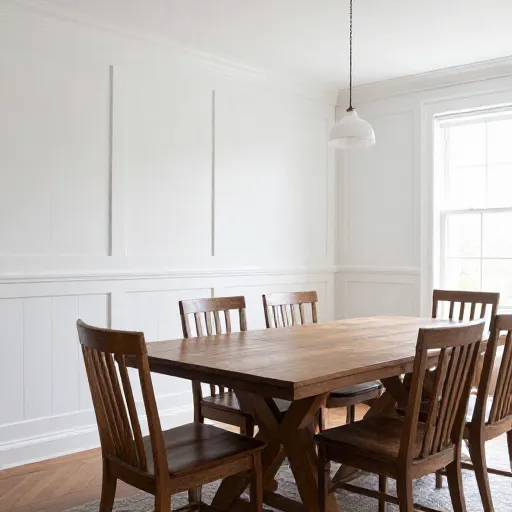
9. Use Mirrors to Open Up the Space
A large mirror opposite a window reflects light and makes a small dining room feel twice as big. Lean a floor mirror against the wall or hang a round one above the sideboard.
I love an antique mirror with a little wear. It adds warmth and character that a brand-new mirror just can’t match.
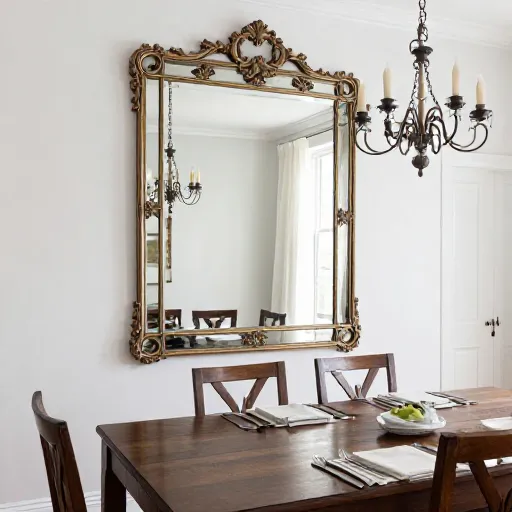
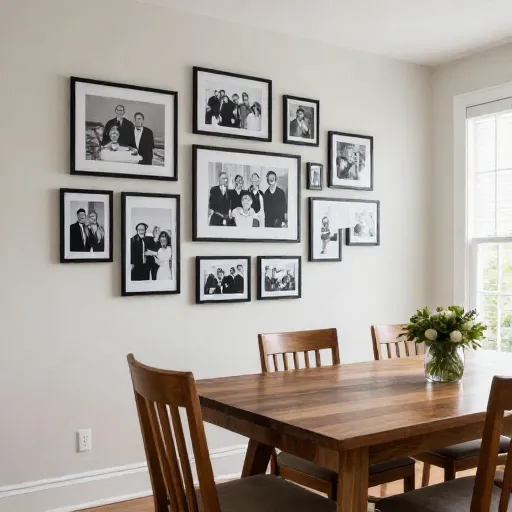
10. Create a Gallery Wall
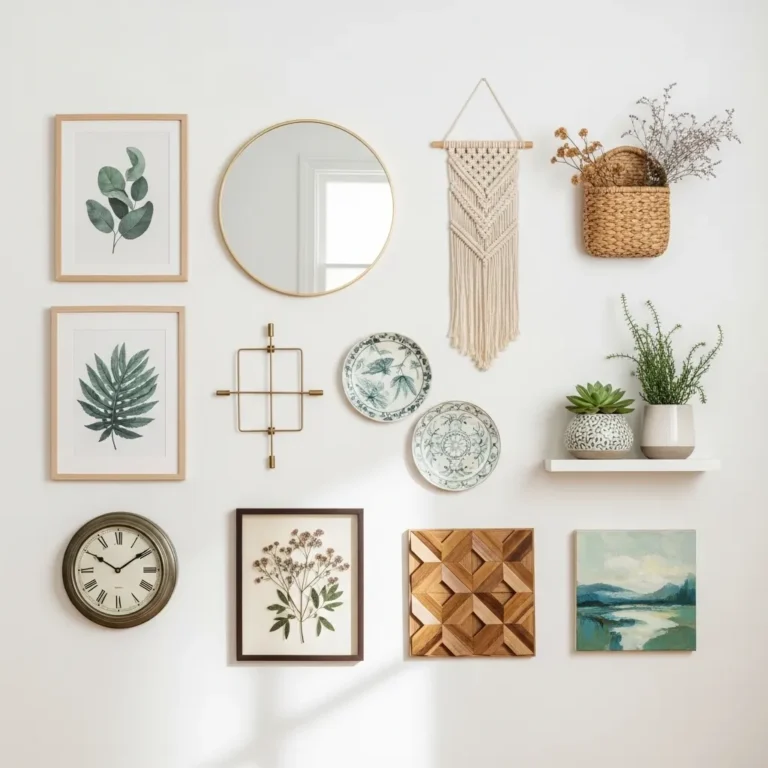
Formal doesn’t have to mean boring walls. Fill one wall with a mix of framed art, photographs, and even a small textile piece. Keep the frames cohesive—all black, all gold, or all wood—to avoid chaos.
This makes the room feel lived-in and personal. Guests will have something to look at while they sip their wine, and it starts conversations.
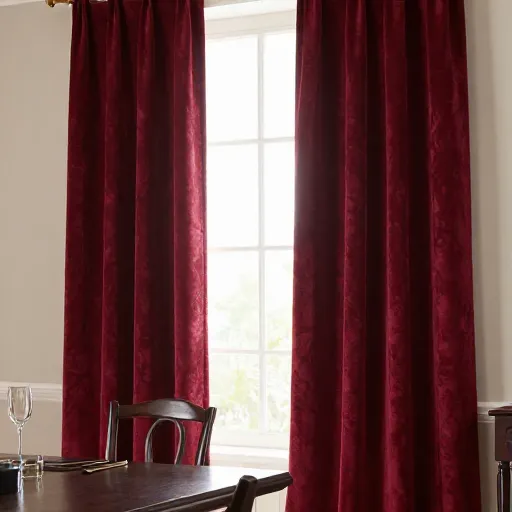
11. Choose Curtains That Touch the Floor
Floor-length curtains instantly elevate a room. Go for a heavy fabric like velvet or linen in a solid color. They soften the edges of the room and add a sense of luxury.
Hang the rod as high as you can, close to the ceiling. This makes the windows look taller and the room feel grander. Even small windows benefit from this trick.
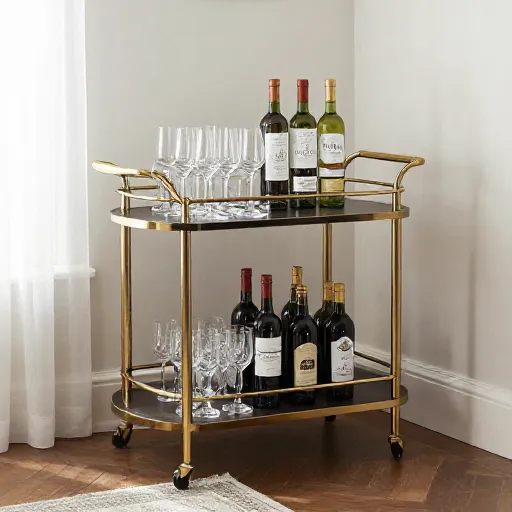
12. Add a Bar Cart or Drink Station
Not every formal dinner needs a full bar, but a small cart or tray with a few bottles, glasses, and a decanter makes the room feel ready for company. It also keeps drinks off the dining table, which is a total game-changer.
I keep mine simple: whiskey, a good red wine, and some sparkling water. Add a small vase of flowers or a candle to make it pretty.
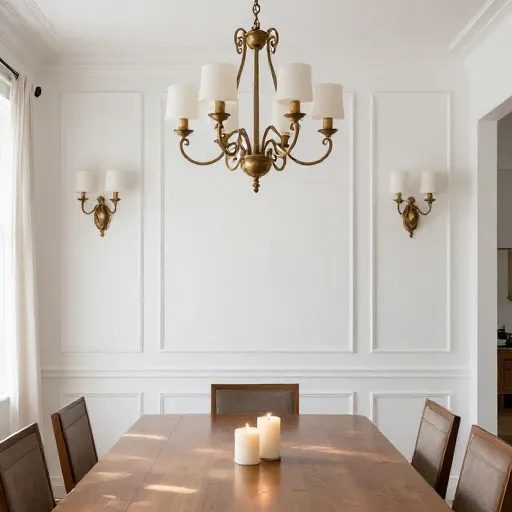
13. Don’t Forget the Lighting Layers
One overhead light isn’t enough. Add a dimmer switch to your main fixture, then bring in a table lamp on the sideboard or a pair of sconces on the wall. Dim lights instantly make the room feel more intimate and flattering.
Candles are non-negotiable for me. A cluster of pillar candles down the center of the table or a few tapers in simple holders create that warm glow no fixture can replicate.
Conclusion
Your formal dining room doesn’t have to be a room you only use twice a year. With a few thoughtful touches—like layered lighting, mixed seating, and natural elements—it can become your favorite place to gather. Start with one or two ideas that feel right for your space, and let the room evolve. The best dining rooms are the ones that feel like you.
Frequently Asked Questions
1. What is the best size for a dining table in a formal room?
You want at least 36 inches of space between the table edge and the wall for chairs to slide out comfortably. For a standard room, a table that seats six to eight is a good starting point. Measure your room first, then find a table that fits without crowding.
2. Can I use a round table in a formal dining room?
Absolutely. Round tables are great for conversation and work well in square rooms. They also feel less formal than a long rectangle, which can be a nice balance if you want the room to feel inviting.
3. How do I make a small formal dining room look bigger?
Use a mirror to reflect light, choose a glass-top table, and keep the color palette light. Avoid heavy drapes and oversized furniture. A round table also helps because it leaves more walking space around the edges.
4. What colors work best for a formal dining room?
Deep jewel tones like emerald, navy, and burgundy feel classic and cozy. But lighter shades like soft gray, warm beige, or blush can also feel elegant. It’s more about the finish and texture than the color itself.
5. How can I make my formal dining room feel less stiff?
Add personal touches like family photos, a stack of books on the sideboard, or a cozy rug. Mix up your seating and use soft lighting. The goal is to make the room feel like a place you actually want to spend time in, not just a showroom.