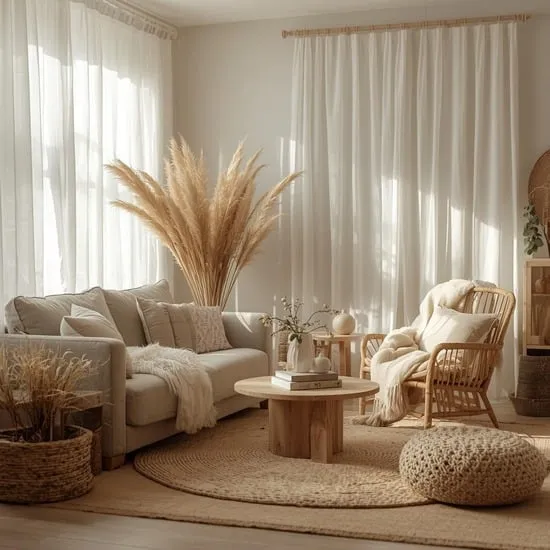
12 Bedroom Small Spaces Ideas That Feel Big & Beautiful

I used to think a small bedroom was a limitation. Then I realized it’s a chance to get creative. A cozy space forces you to prioritize what truly matters—comfort, function, and a dash of your personal style. You can create a retreat that feels anything but cramped.
Over the years, I’ve collected and tried so many small-space tricks. The best ones are simple, affordable, and make a huge visual impact. Forget squeezing in furniture you don’t need. It’s all about smart choices that make every inch work harder and feel lighter. Let’s transform your compact bedroom into your favorite spot in the house.
1. Go Vertical with Your Storage
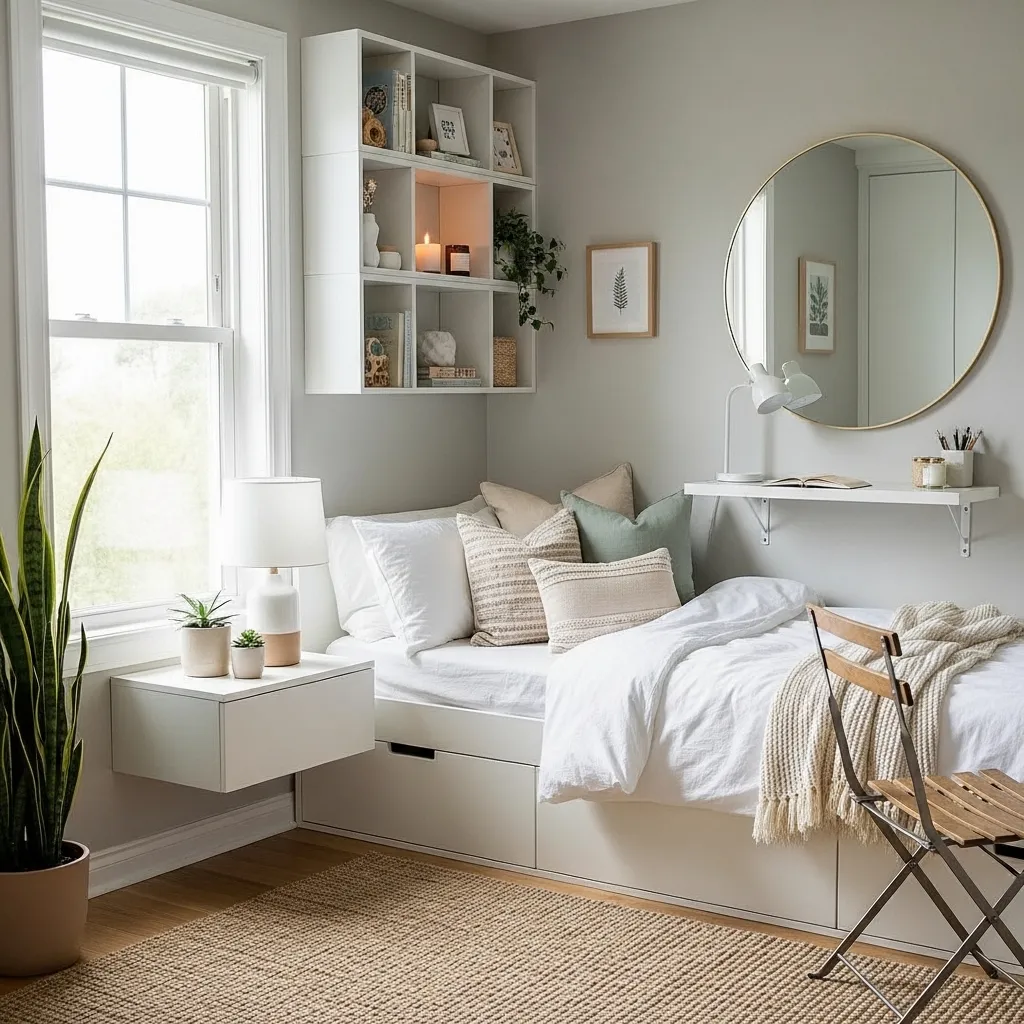
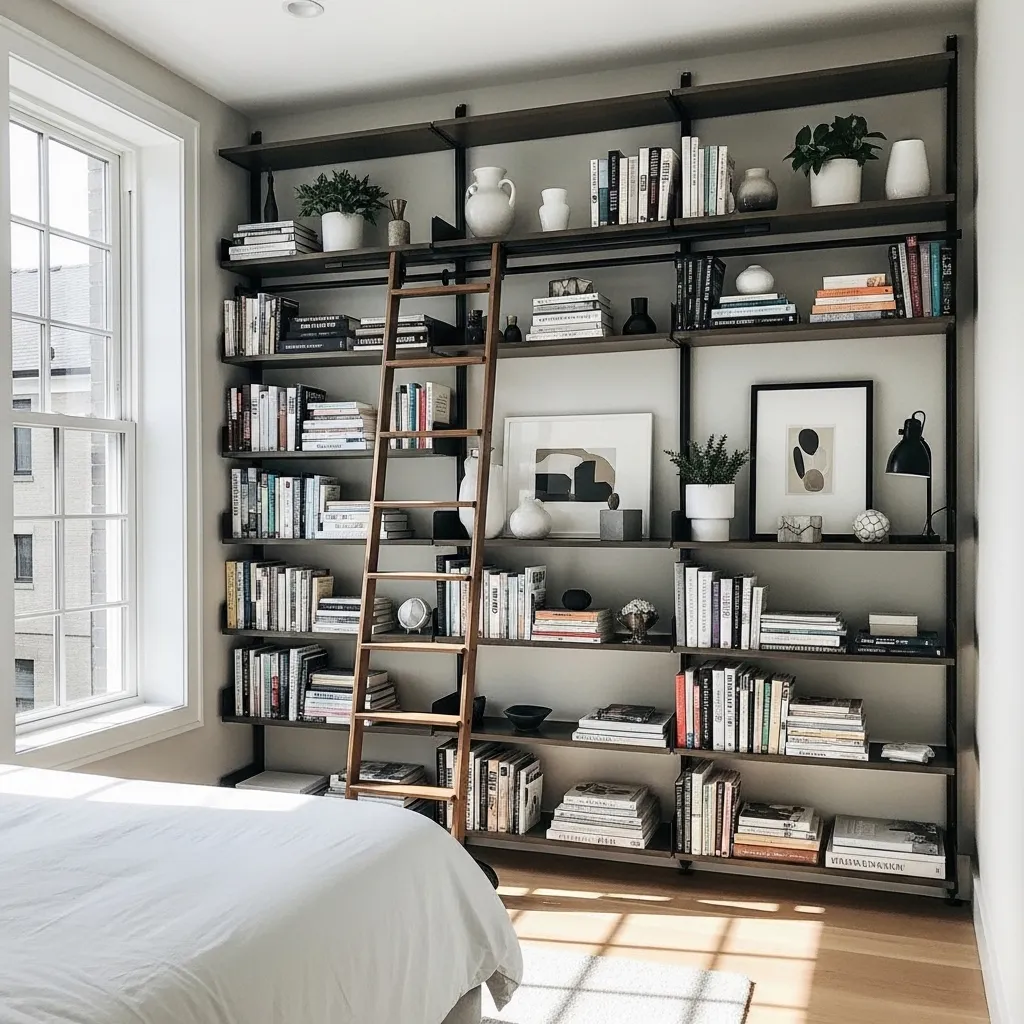
When floor space is precious, look up. Your walls are your best friend for storage. I installed floating shelves above my bed for books and decor, freeing up my nightstand. A tall, slim bookcase can hold so much more than a wide, short one.
Don’t forget the space above the door—a perfect spot for a shallow shelf for out-of-season items. Using vertical space draws the eye upward, making the whole room feel taller and more open instantly.
2. Choose a Low-Profile Bed Frame
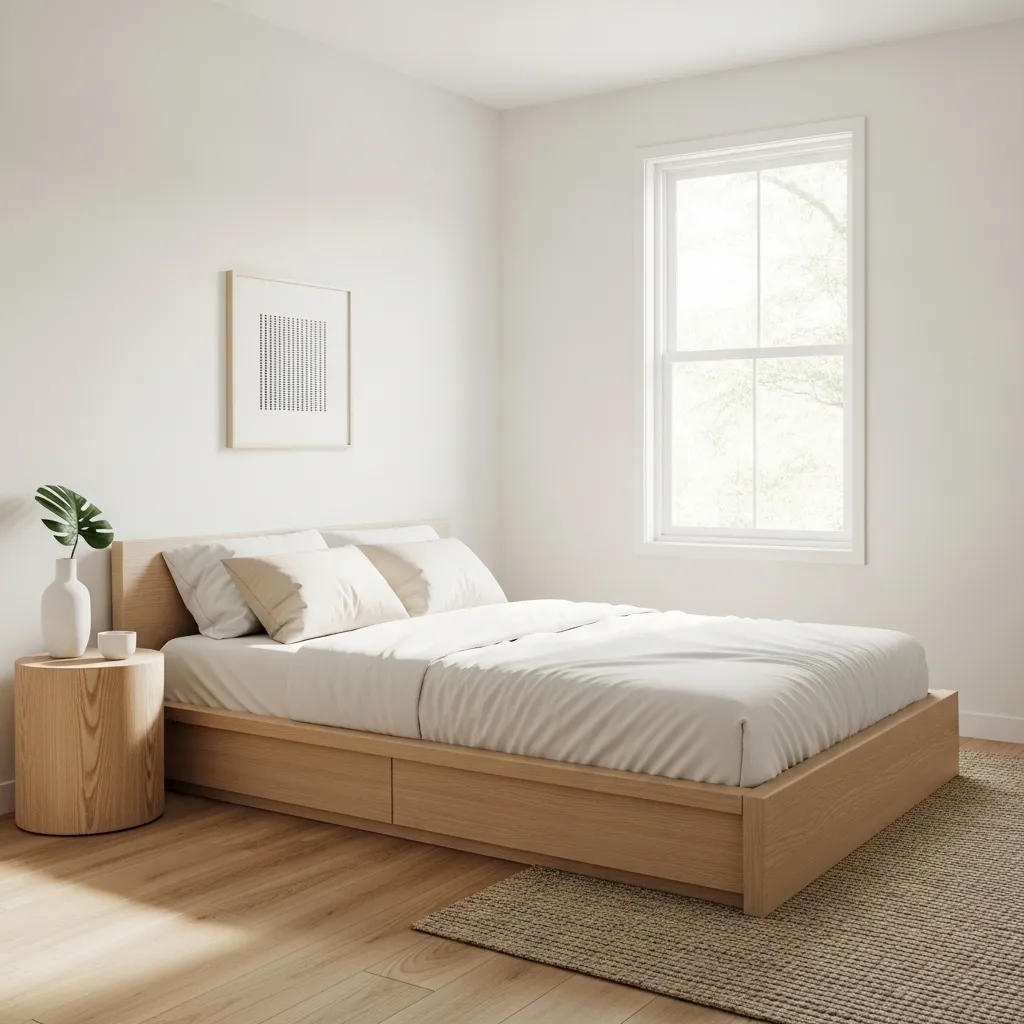
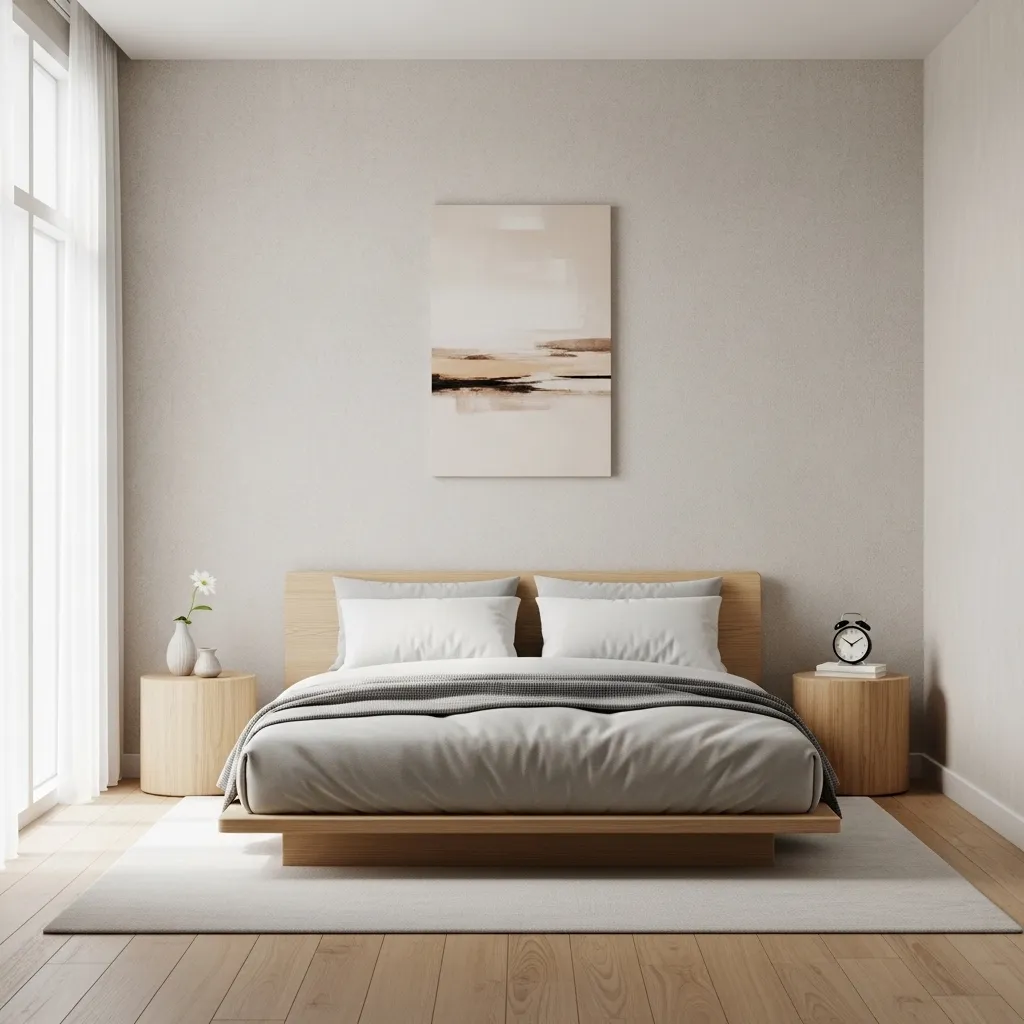
Swapping a bulky bed frame for a low-profile platform bed was a game-changer for me. It sits closer to the ground, which creates a sense of more air and space above. The clean lines prevent the bed from visually overpowering the room.
Many platform beds come with built-in drawers, which is a major win for hidden storage. Even without drawers, the minimalist look makes everything feel less crowded and more serene.
3. Embrace Multi-Functional Furniture
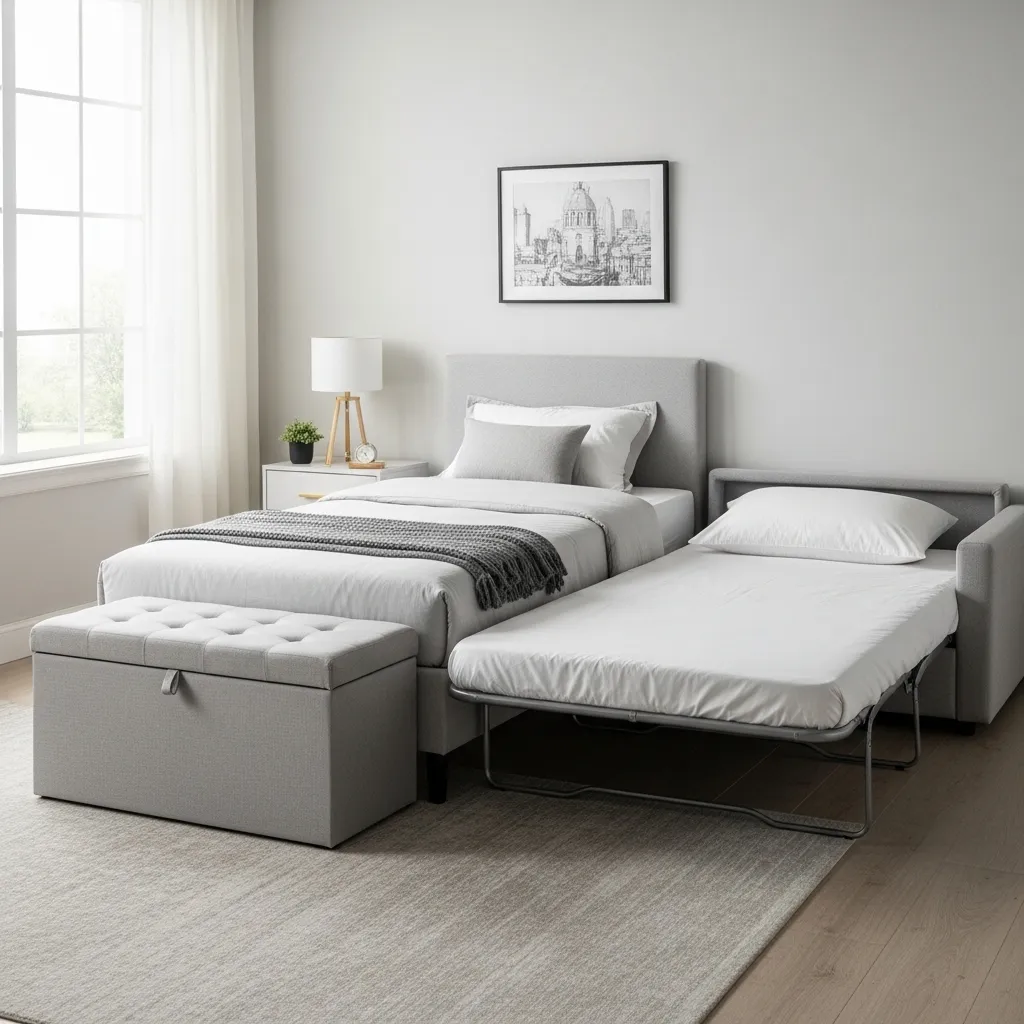
Every piece in a small bedroom should earn its keep. My favorite find? An ottoman at the foot of my bed that opens up for blanket storage. A small desk that doubles as a vanity, or a nightstand with drawers and shelves, are total lifesavers.
- Storage benches
- Wall-mounted drop-leaf desks
- Nesting side tables
Think double-duty. It reduces clutter and the number of items you need to fit in.
4. Let the Light Pour In
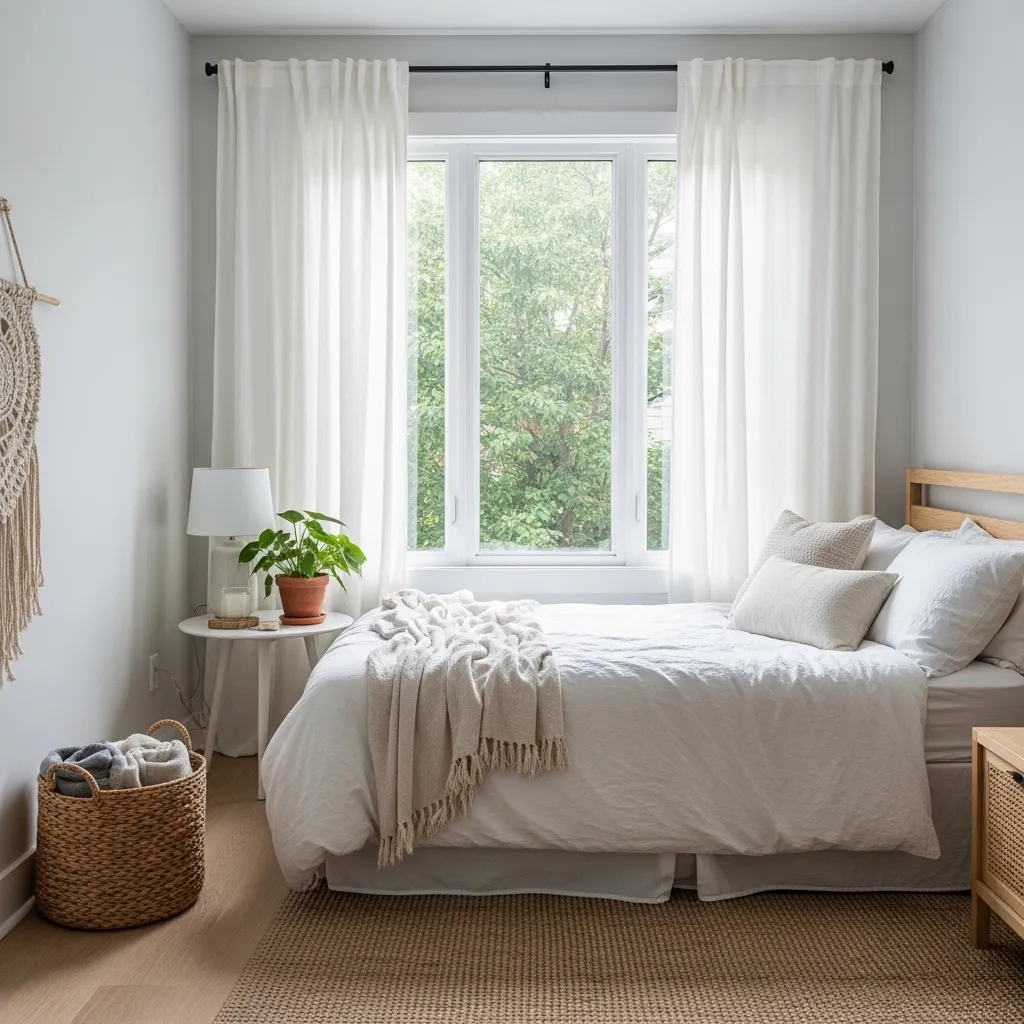
Nothing opens up a small space like beautiful, natural light. I swapped heavy, dark curtains for sheer, light-filtering ones. They provide privacy while still letting the sun brighten the room, making the walls feel less solid.
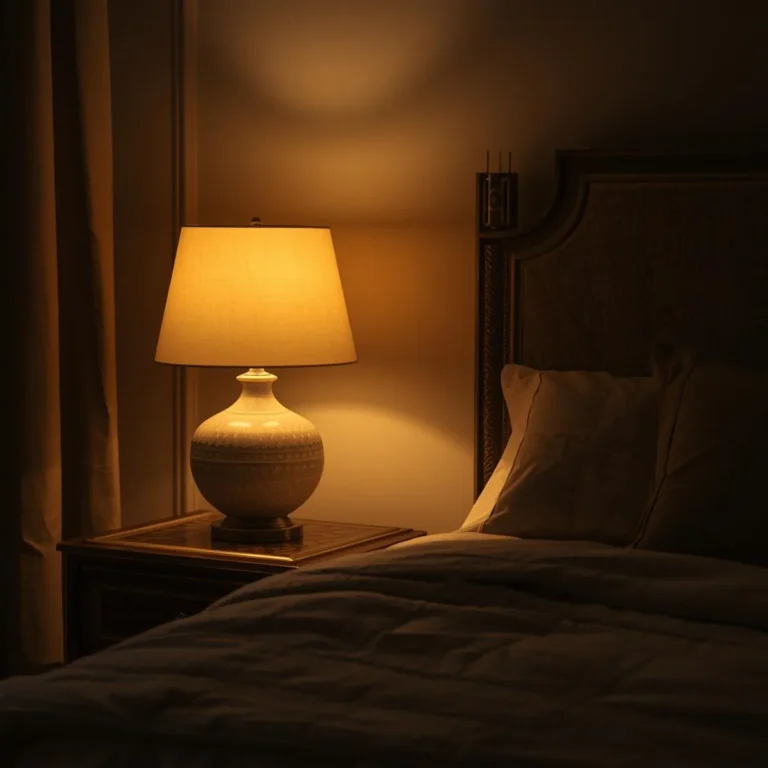
Mirrors strategically placed opposite windows work magic by bouncing light around. If natural light is limited, layer your lighting with a mix of overhead, task (like a reading lamp), and soft ambient light from a floor lamp.
5. Use a Monochromatic Color Scheme
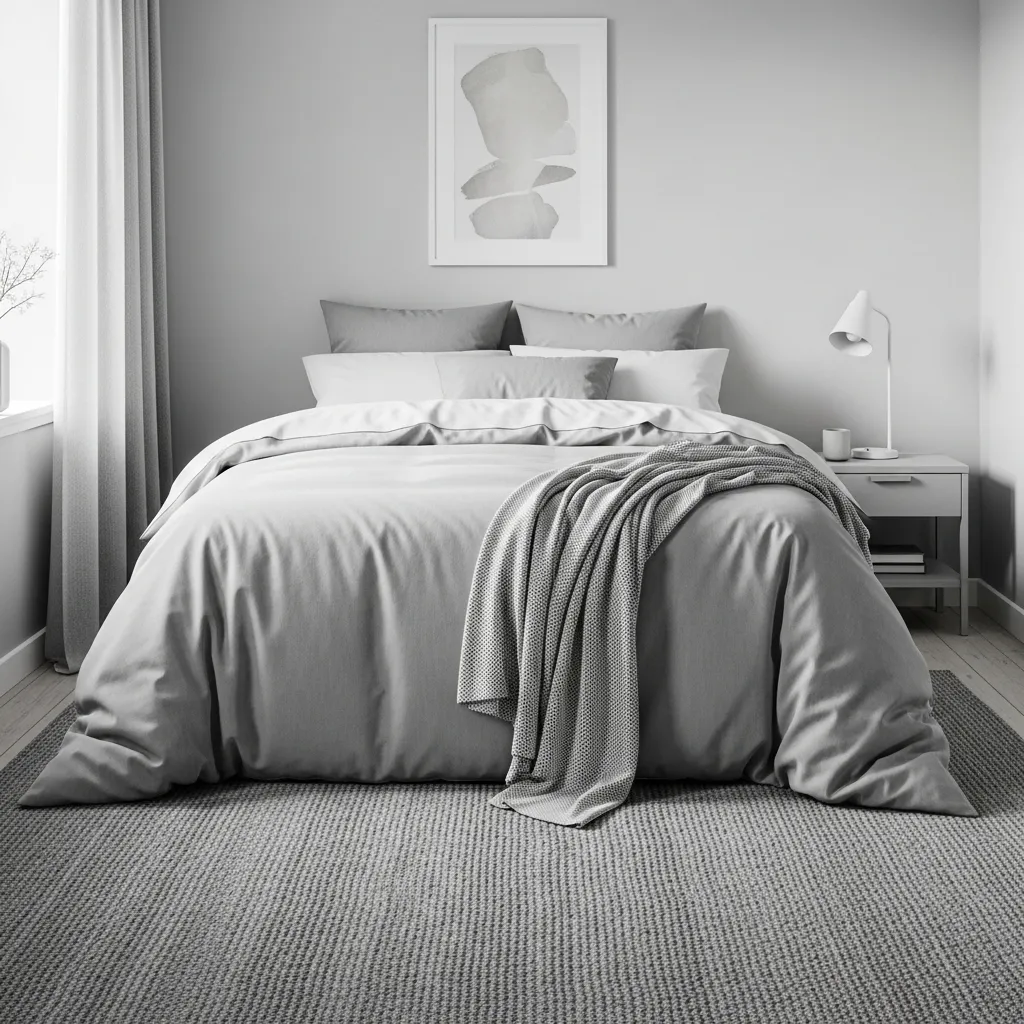
Sticking to shades of one color (like soft blues, warm beiges, or gentle grays) creates a seamless, flowing look. There are no harsh visual breaks for the eye to stop at, so the room appears larger. I painted my walls, trim, and even my ceiling the same soft white.
You can still add texture and depth within that single color family—think a nubby throw, smooth sheets, and a woven rug. It feels cohesive, calm, and incredibly spacious.
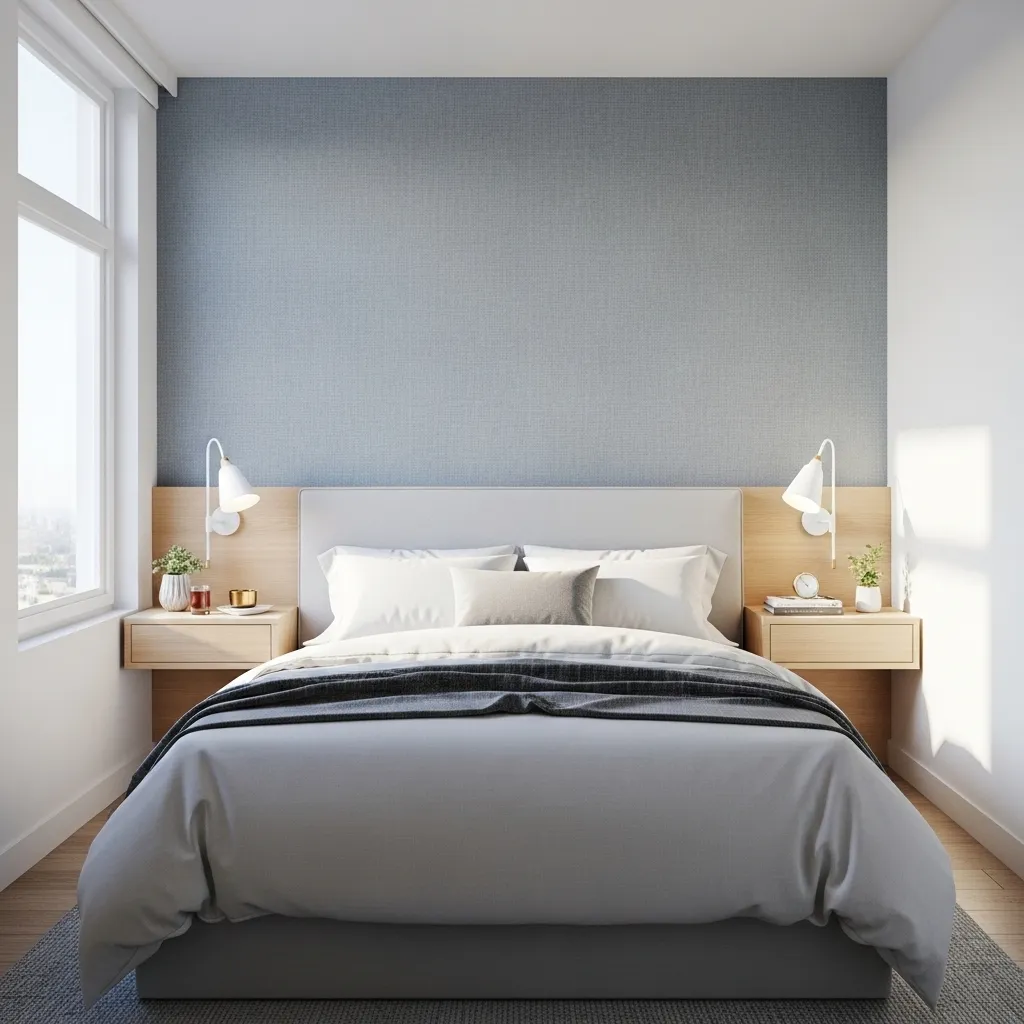
6. Opt for Wall-Mounted Nightstands
Ditching bulky nightstand legs clears valuable floor space and makes cleaning a breeze. I installed simple floating shelves on each side of my bed. They hold my lamp, a book, and my phone perfectly.
You can also use small wall-mounted cabinets or even a clever ledge. This trick creates the surface you need without the visual weight of traditional furniture, making the floor area look more open.
7. Try a Corner Desk or Dresser
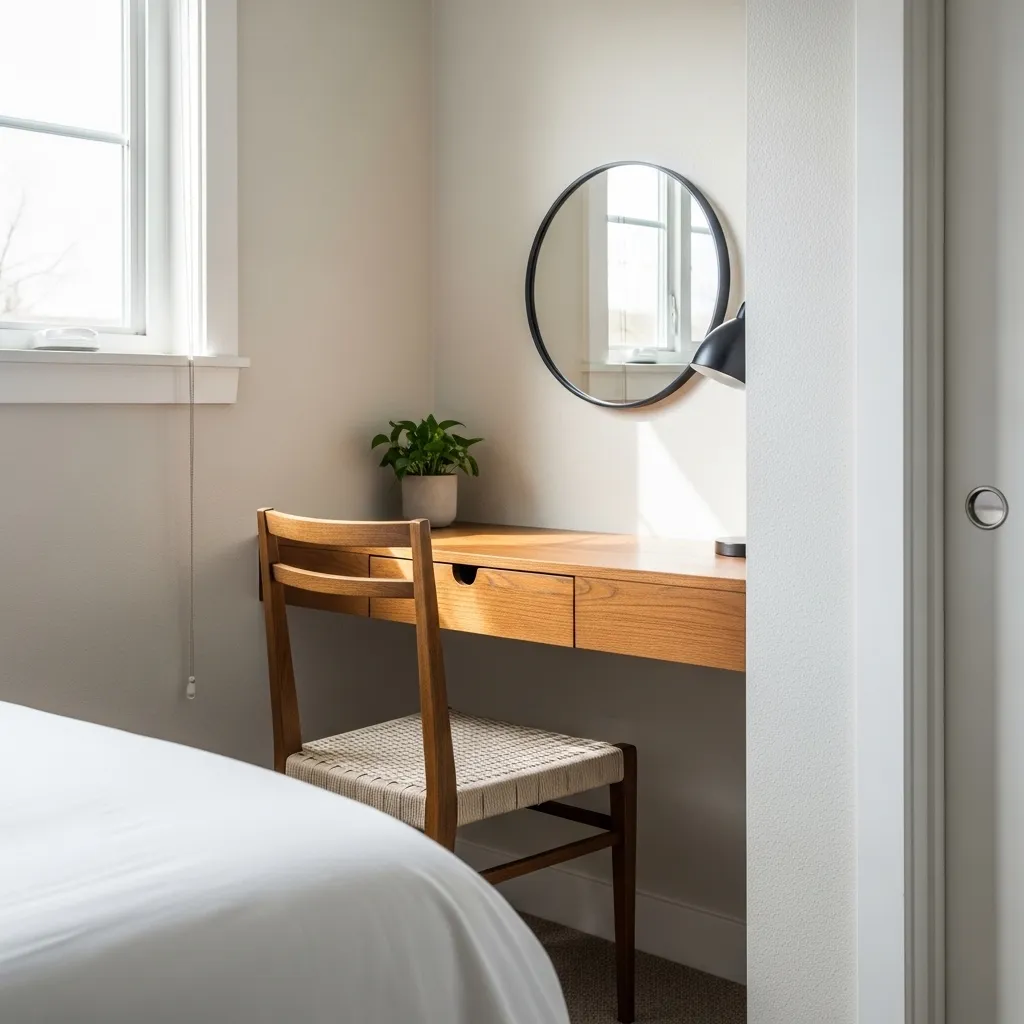
Corners are often wasted space. Tucking a small, triangular corner desk into an unused nook gave me a dedicated spot for my laptop without intruding on the room. The same goes for a corner dresser or shelving unit.
It utilizes an awkward spot efficiently and keeps the main floor plan clear. It feels like you’re gaining a whole new piece of real estate in your room.
8. Implement Clever Under-Bed Storage
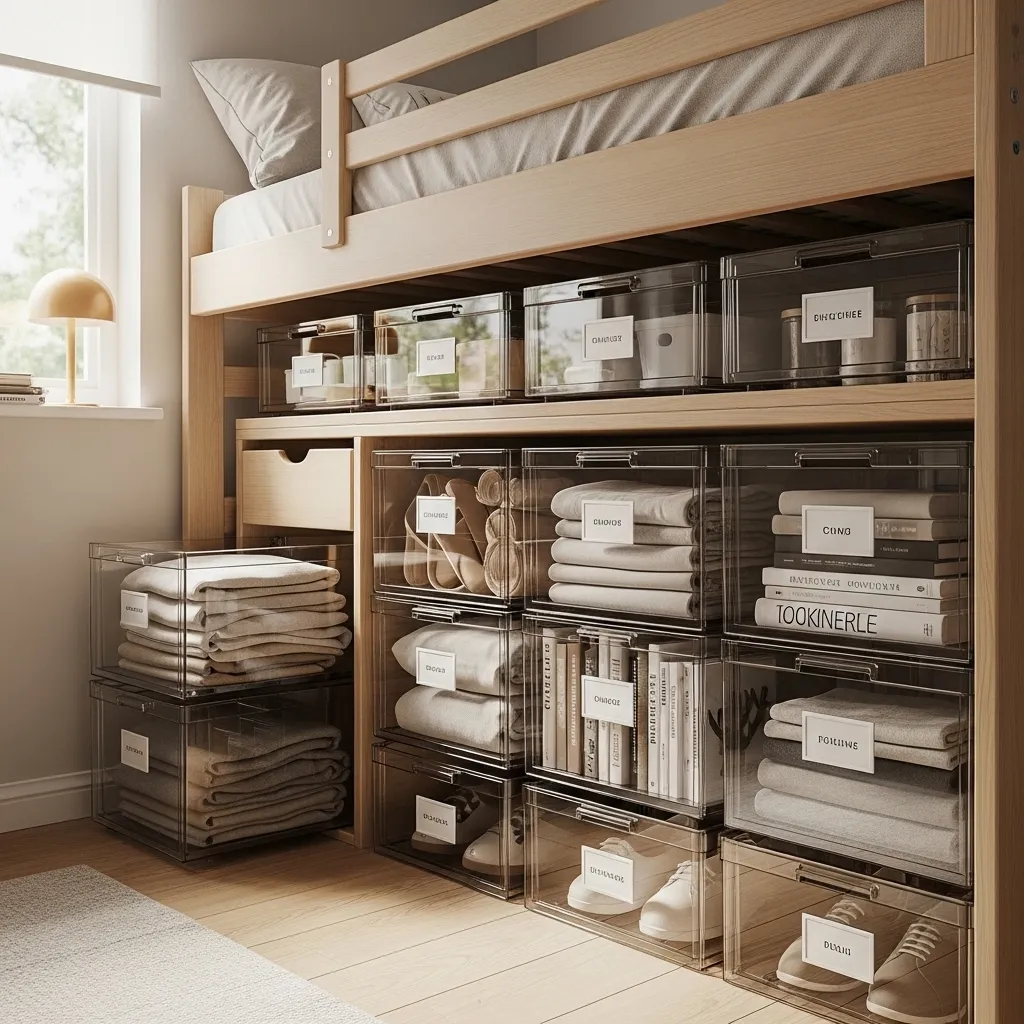
This is classic advice because it works so well. If your bed doesn’t have built-in drawers, use slim, rolling bins or flat storage boxes. I store my off-season clothes and extra bedding here.
To make it look tidy, use matching containers and a bed skirt or a comforter that drapes to the floor. It’s out-of-sight storage that maximizes every single inch.
9. Keep the Floor as Clear as Possible
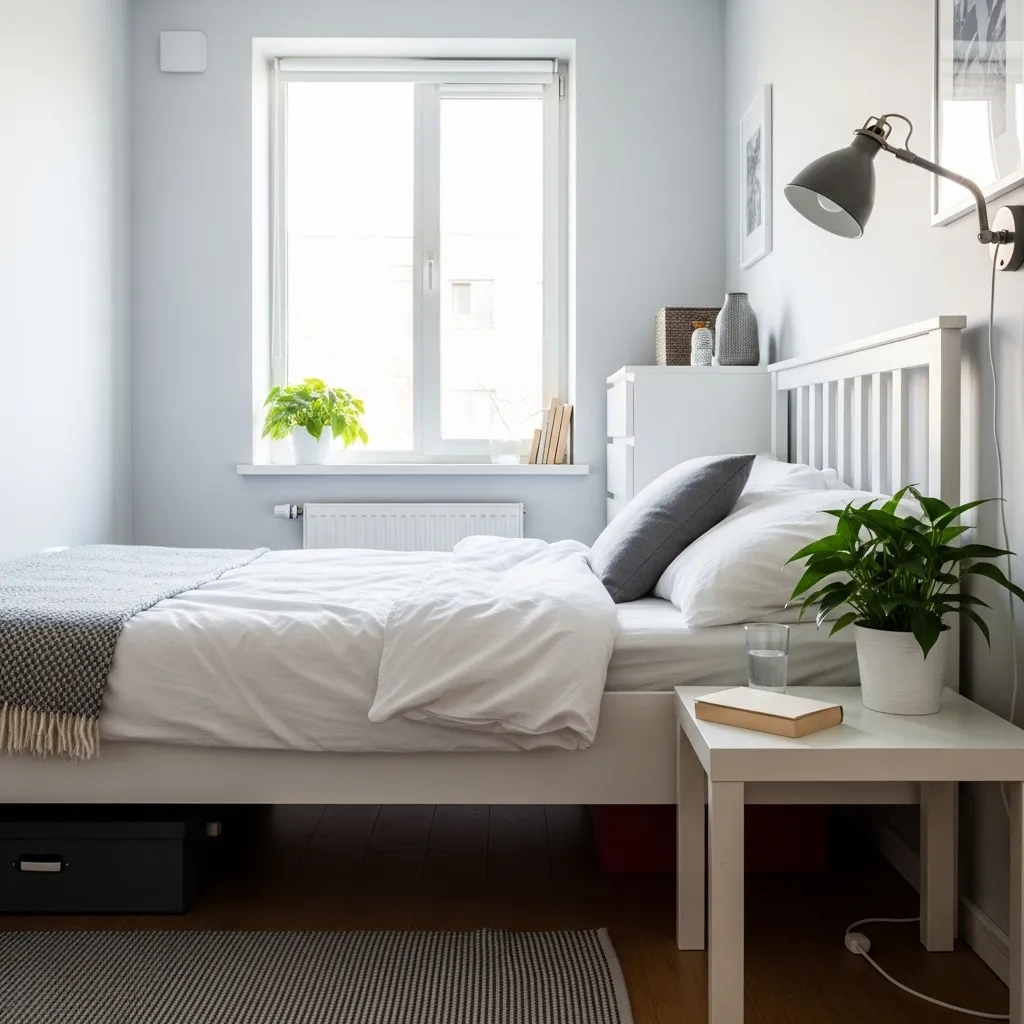
A visible floor makes a room feel larger. I chose furniture with legs (like my bed and chair) to create airy space underneath. Rugs are great, but in a super small room, a bare floor can sometimes make it feel bigger.
Be ruthless about what sits on the floor. Can that basket go on a shelf? Can that pile of magazines be dealt with? A clear path visually expands the space.
10. Add a Large Mirror (or Two!)
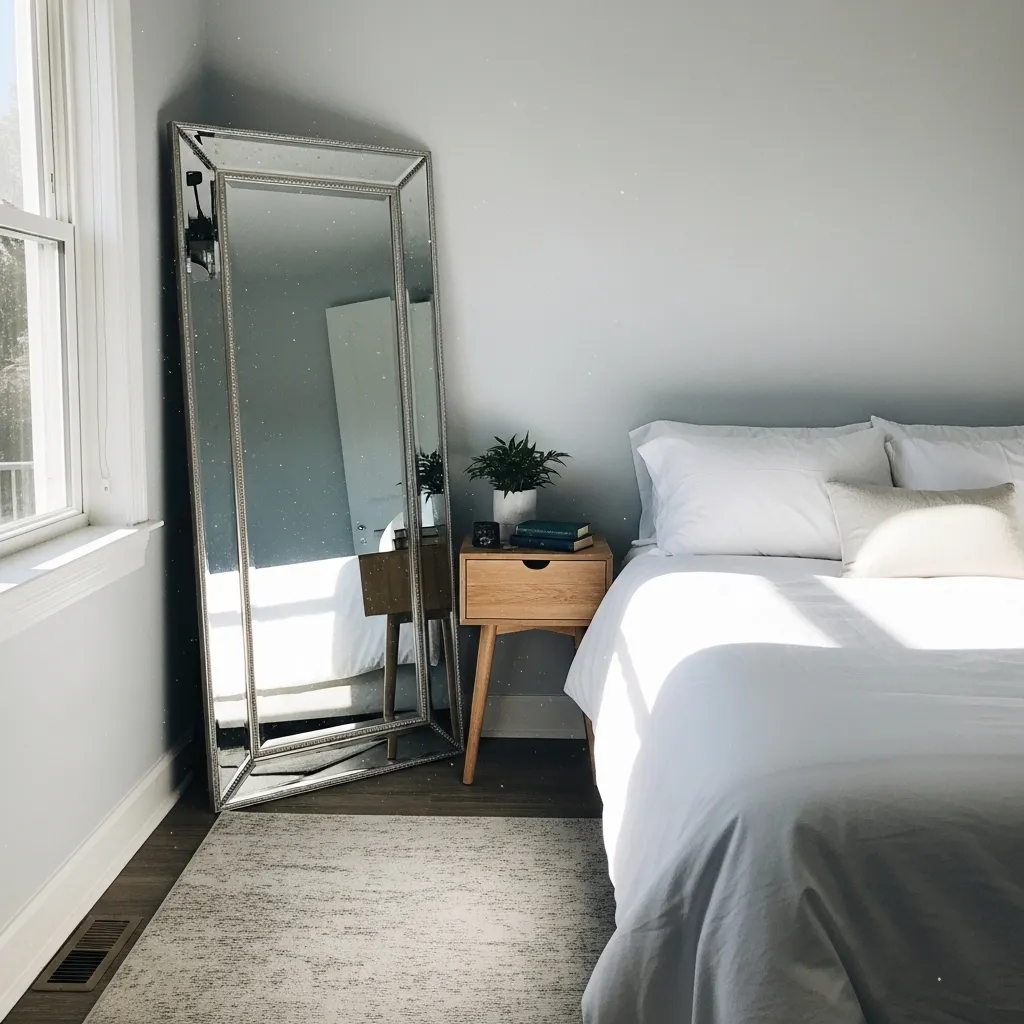
Mirrors are the oldest trick in the book for a reason. They reflect light and the room itself, creating an illusion of depth. I leaned a large, full-length mirror against a wall, and it instantly doubled the visual space.
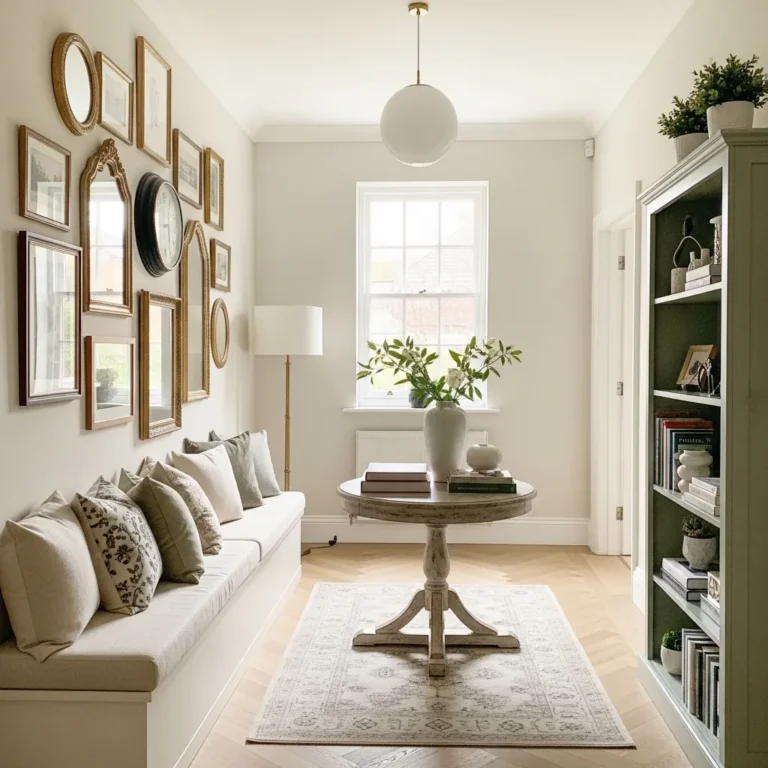
You can also use a collection of smaller mirrors in a gallery wall style. Place them where they’ll catch the light from a window or lamp for the biggest impact.
11. Declutter and Edit Ruthlessly
In a small bedroom, clutter is the enemy of calm. I did a big edit, asking myself if each item was useful or brought me joy. Surfaces like dressertops and nightstands need breathing room.
Adopt a “one in, one out” rule. Having less stuff is the most effective way to make your space feel open, organized, and truly restful.
12. Create a Focal Point
Instead of letting the small size be the main feature, give the eye something beautiful to focus on. This could be a striking headboard, a piece of art above the bed, or a beautifully made bed with textured pillows and throws.
By creating a deliberate focal point, you design the room’s experience. People will notice the style and comfort first, not the square footage.
Your Cozy Retreat Awaits
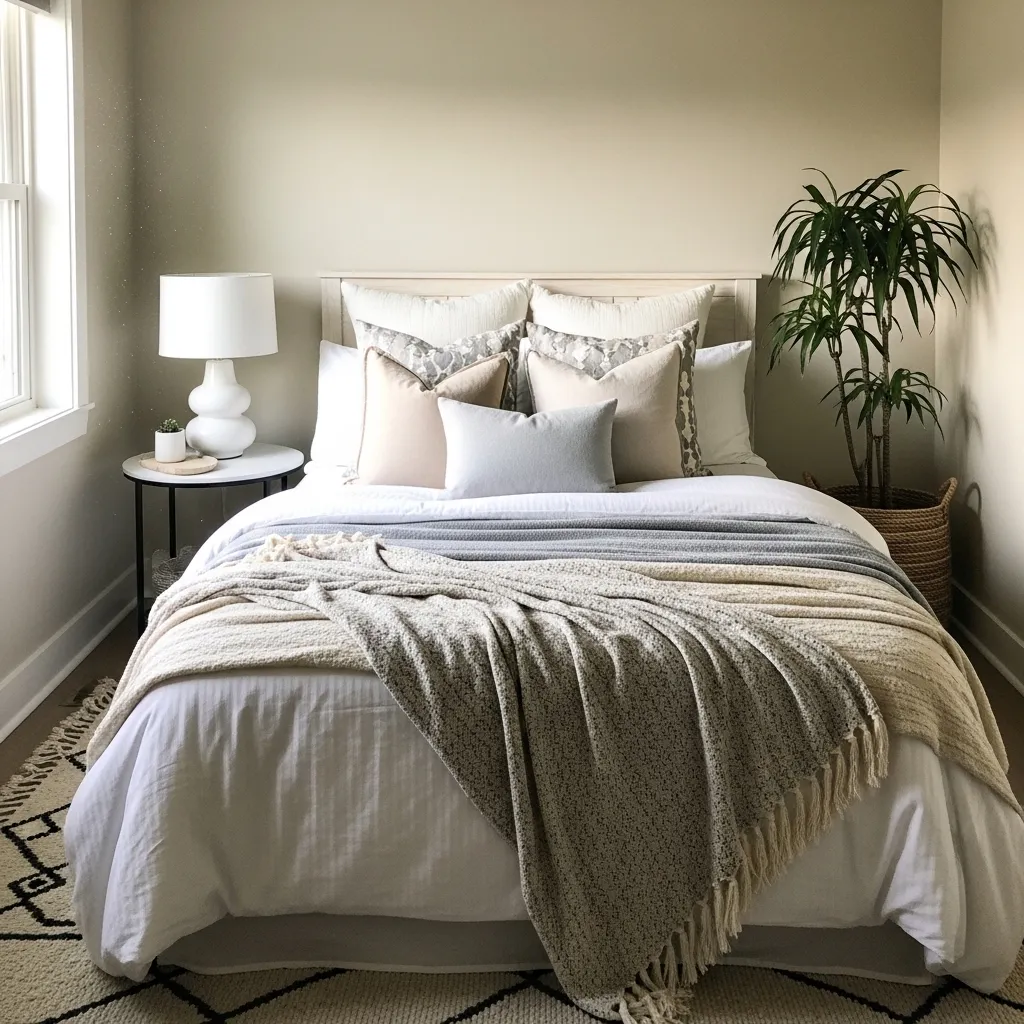
Remember, a small bedroom isn’t about what you can’t have—it’s about curating what you love most. By choosing smart furniture, keeping things light and bright, and staying organized, you can create a space that feels both functional and deeply personal. Start with one or two of these ideas that excite you the most, and watch your cozy nook transform.
Small Bedroom FAQ
Q: What color is best for a very small bedroom?
A: Light, soft colors like whites, pale grays, creams, and pastels are best. They reflect light and make walls feel farther away. A monochromatic scheme (different shades of one color) is especially effective.
Q: Can I have a king-size bed in a small room?
A: You can, but it will dominate the space. Opt for a low-profile platform frame with no footboard. Ensure you have enough room to walk on at least one side, and compensate with other space-saving ideas like wall-mounted lights and storage.
Q: How do I add personality without clutter?
A: Use your walls! Hang a few pieces of meaningful art or photos in a simple gallery wall. Add personality with textured bedding, one standout throw pillow, or a small, beloved collection displayed neatly on a shelf.
Q: Are dark walls a bad idea?
A: Not necessarily! If you love moody colors, you can use them. The key is balance. Paint only one accent wall, ensure you have excellent lighting, and keep other elements (like bedding and furniture) light and bright to contrast.
Q: What’s the biggest mistake in small bedroom design?
A: Using oversized furniture. It swallows the room. Always measure your space and choose scaled-down, proportional pieces. A smaller, sleek dresser is better than a giant one you have to squeeze past.