11 Small Room Makeover Ideas That Actually Work

I used to think my tiny rooms were a design curse. But after years of living in cozy apartments, I’ve realized small spaces are a secret superpower. They force you to be creative, intentional, and only keep what you truly love.
Forget the frustration of feeling cramped. A small room makeover isn’t about wishing for more square footage—it’s about unlocking the potential already there. The best ideas are often the simplest, focusing on smart furniture, clever color, and a dash of optical illusion. Let’s transform that compact room into your favorite spot in the house.
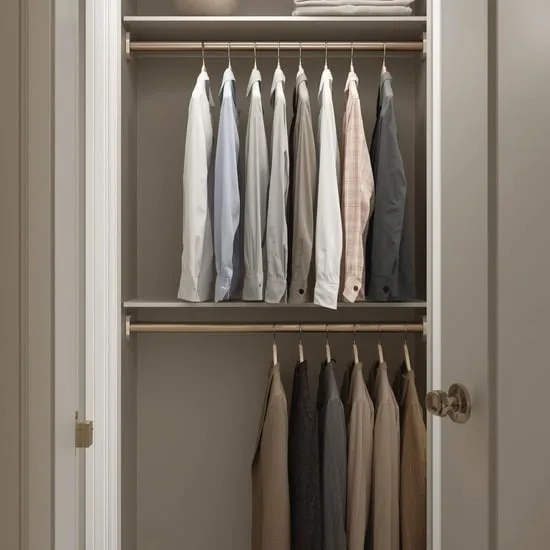
1. Go Vertical with Your Storage
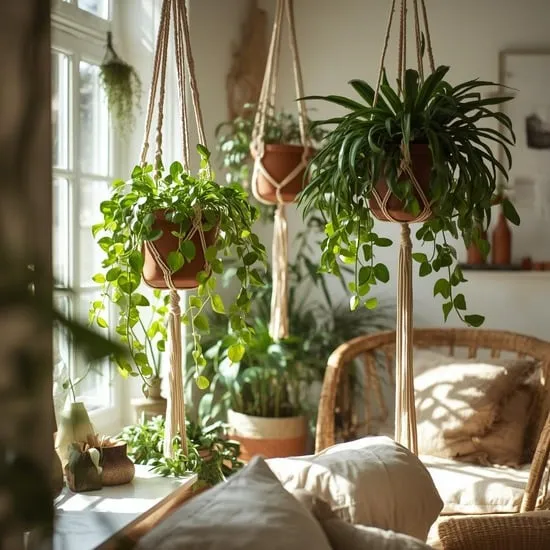
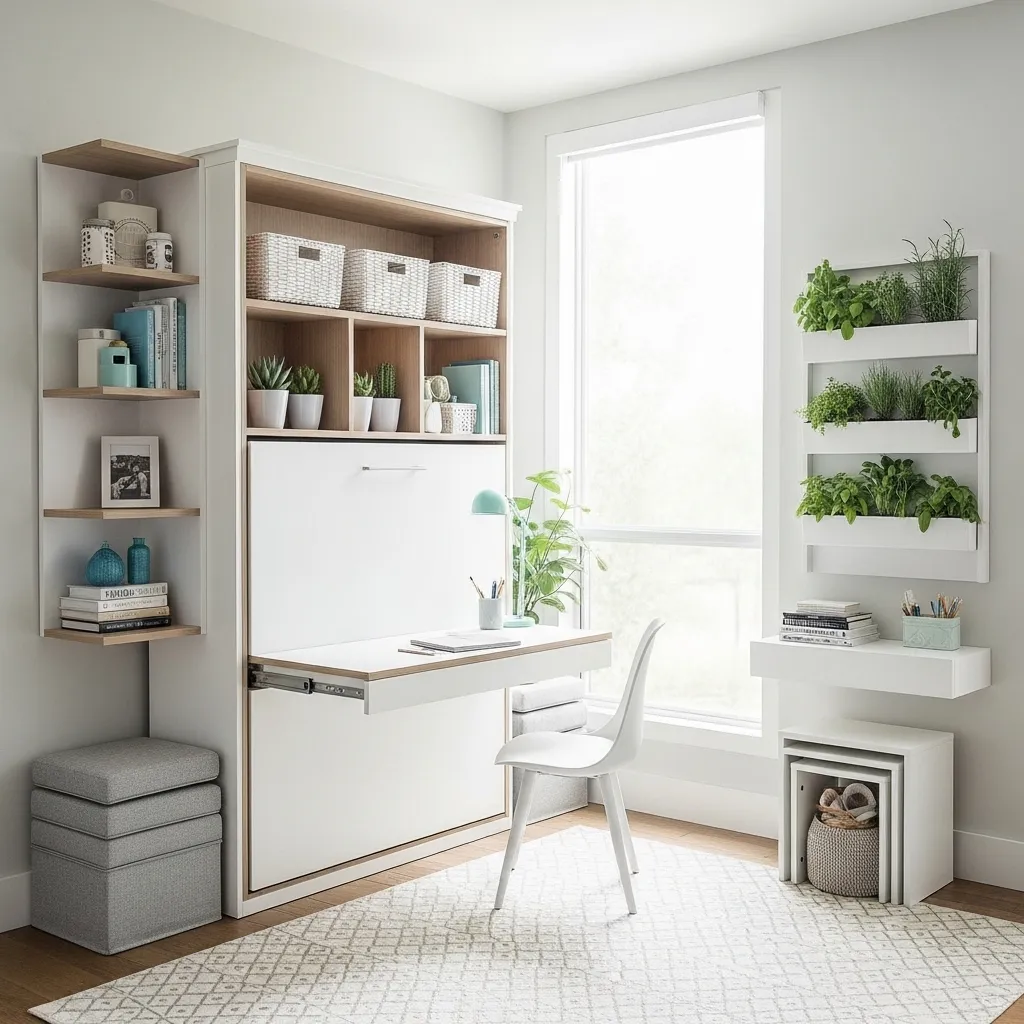
When floor space is precious, your walls are your best friend. I look up and use every inch of vertical space. Tall, slim bookcases draw the eye upward, making the ceiling feel higher. Floating shelves keep the floor clear and can display books, plants, or decor.
Don’t forget the space above doors or in that awkward corner. A tall, narrow ladder shelf can fit perfectly. This approach isn’t just practical; it creates a layered, interesting look that adds personality without clutter.
2. Choose a Light, Airy Color Palette
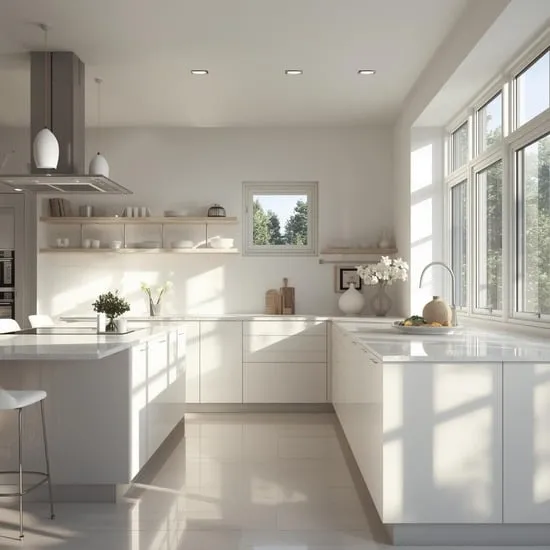
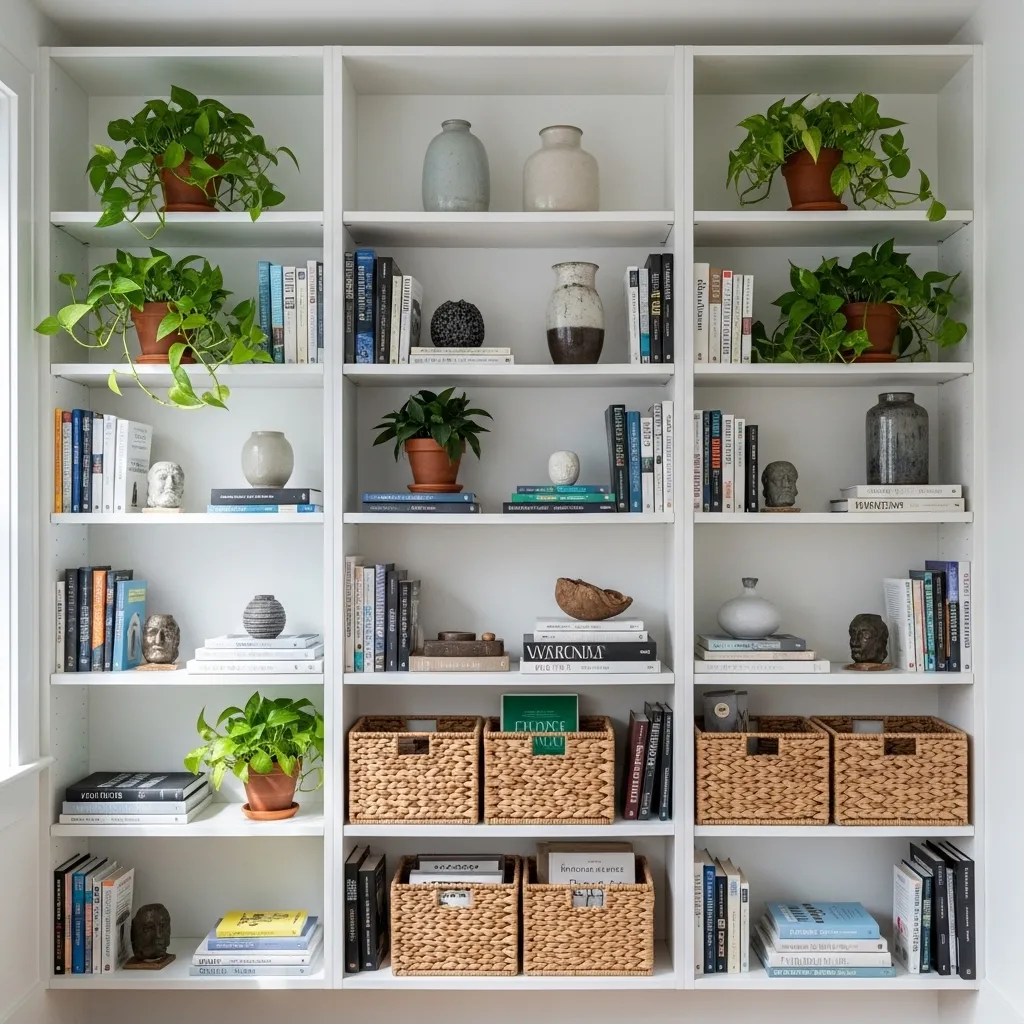
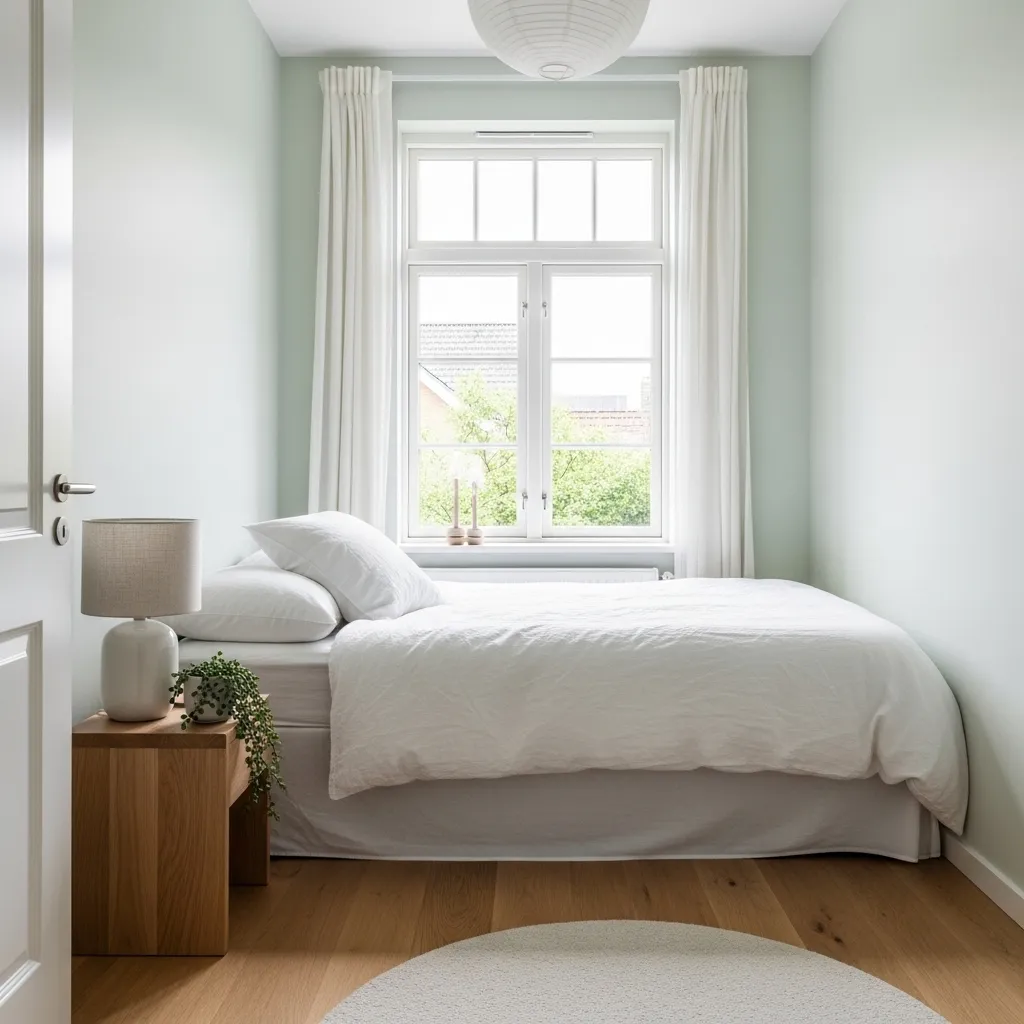
This is the oldest trick in the book because it works. Light colors reflect light, making a room feel instantly larger and brighter. I’m a huge fan of soft whites, pale grays, and gentle pastels for walls and large furniture.
That doesn’t mean your room has to be boring! You can add pops of color through accessories like pillows, art, or a single accent chair. The light base acts as a calm canvas, preventing the space from feeling visually heavy or closed in.
3. Embrace Multi-Functional Furniture
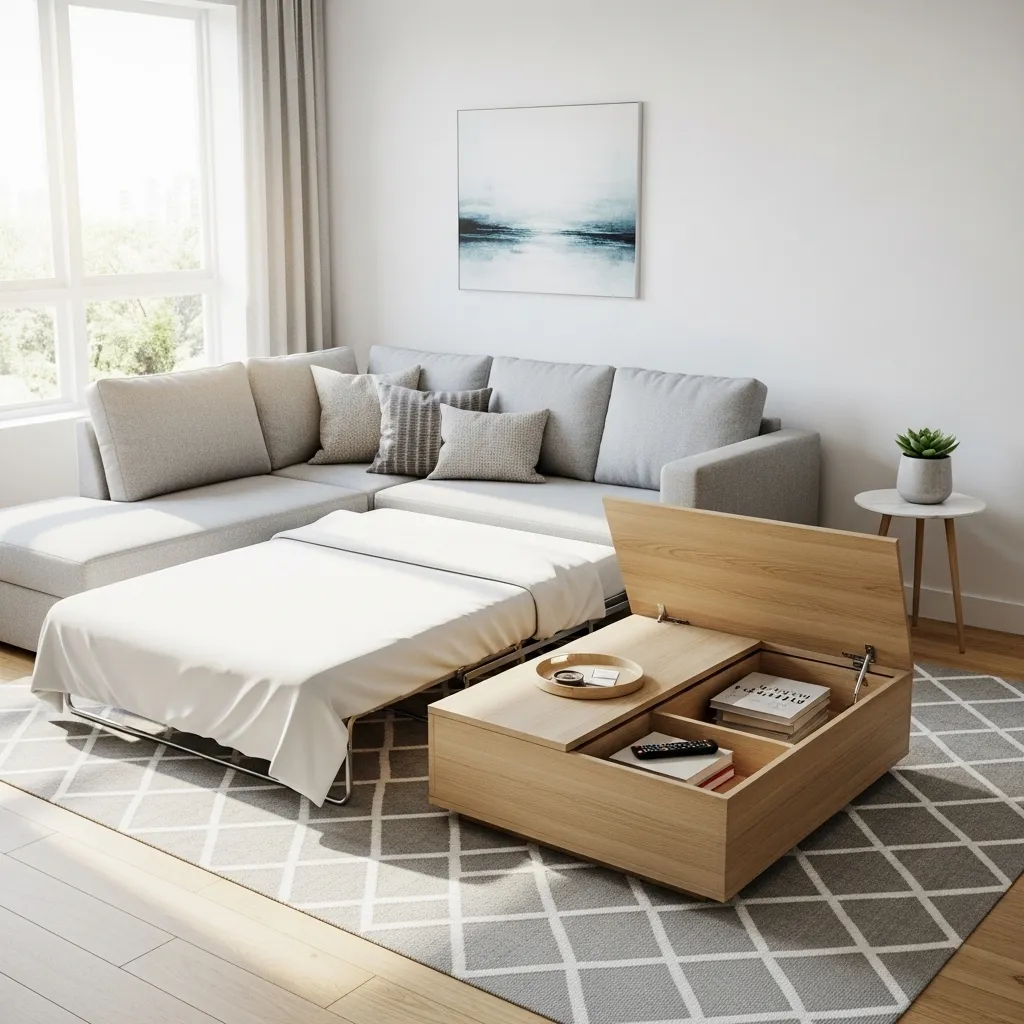
This is a game-changer for small rooms. Every piece should earn its keep. I look for furniture that does double or even triple duty.
- An ottoman with hidden storage inside.
- A sofa that pulls out into a guest bed.
- A desk that folds down from the wall when needed.
- A nesting table set you can separate or stack.
It’s like a magic trick—you get all the function without all the bulk.
4. Let in the Light & Mirror It
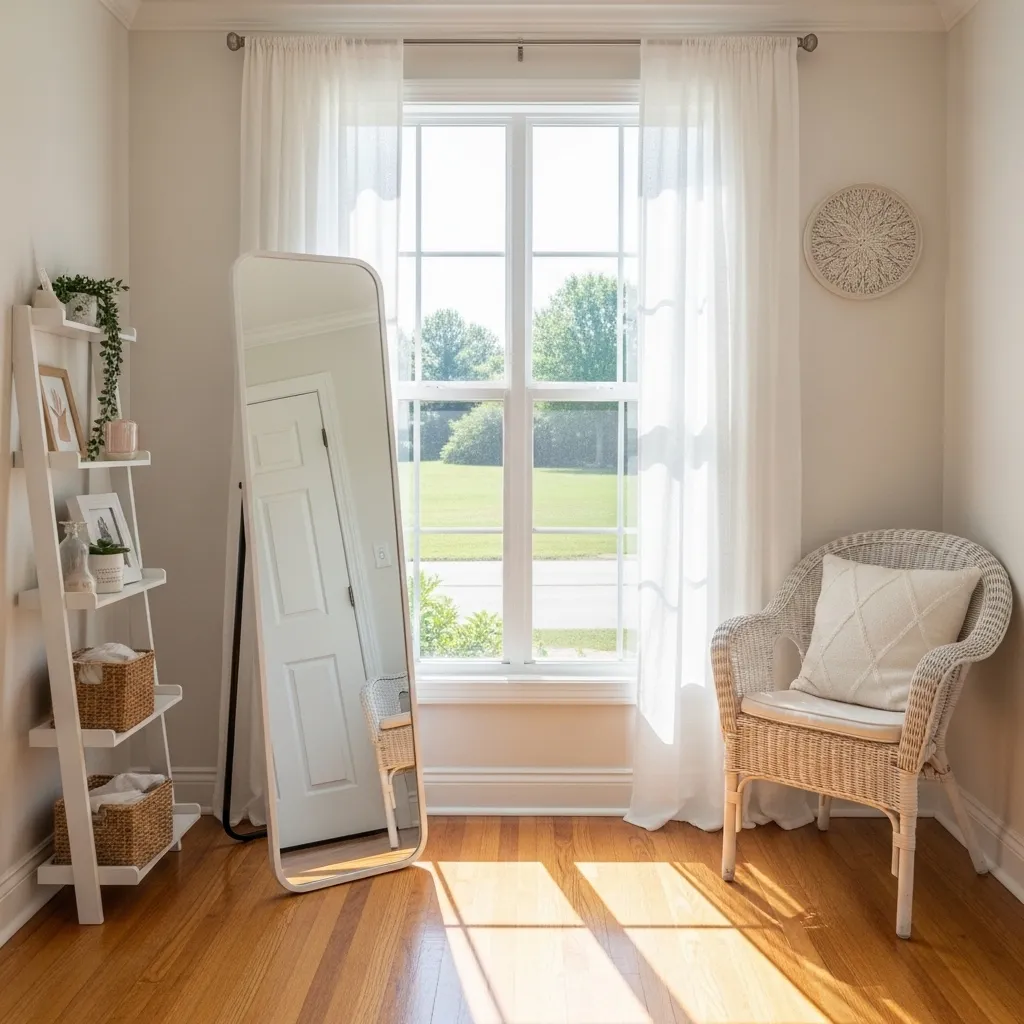
Maximizing natural light is non-negotiable. I use sheer or light-filtering curtains that can be pulled completely back during the day. Heavy drapes just swallow light and space.
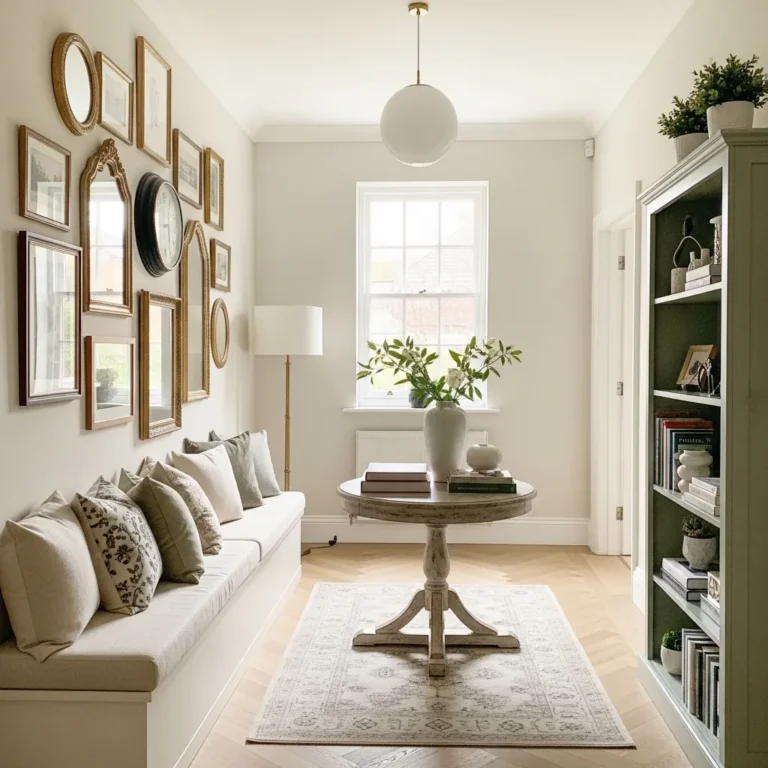
Then, I strategically place mirrors to bounce that light around. A large mirror opposite a window is the classic move, but a gallery wall of smaller mirrors or a leaning floor mirror can be just as effective. Mirrors create depth and the illusion of another window.
5. Define Zones with Rugs
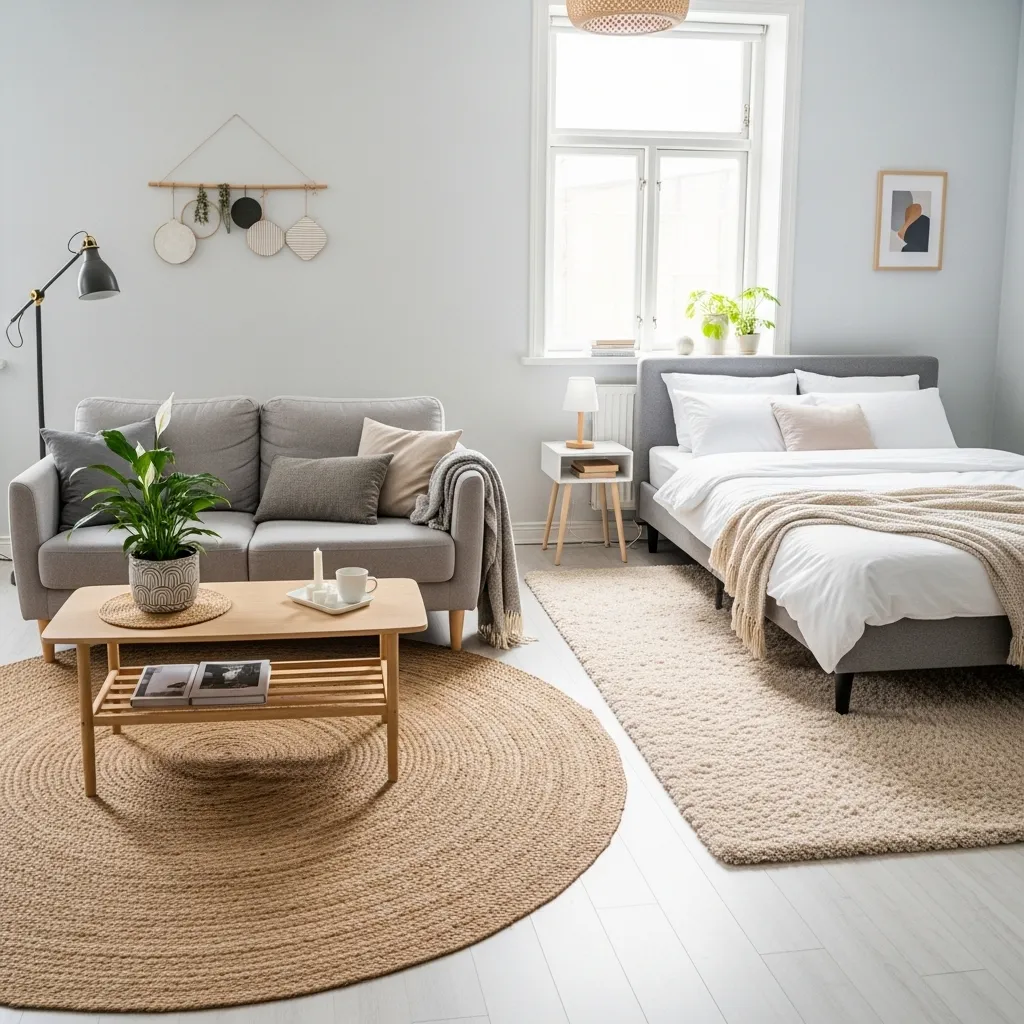
In a studio or multi-purpose room, area rugs are your secret weapon for creating order. They visually carve out separate “rooms” without needing walls.
I use one rug to define the living area under the sofa and coffee table, and another to anchor the sleeping space or a reading nook. It helps the room feel organized and intentional, not like everything is just shoved together.
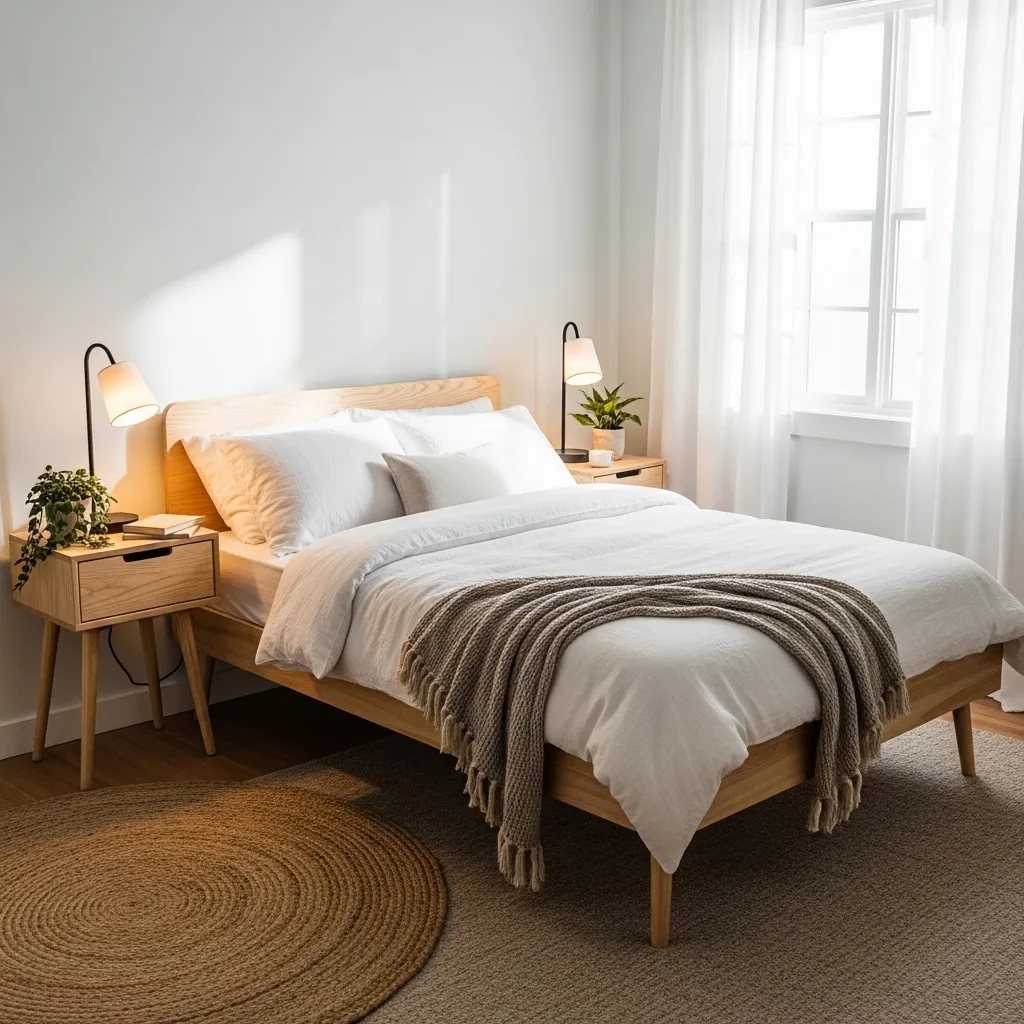
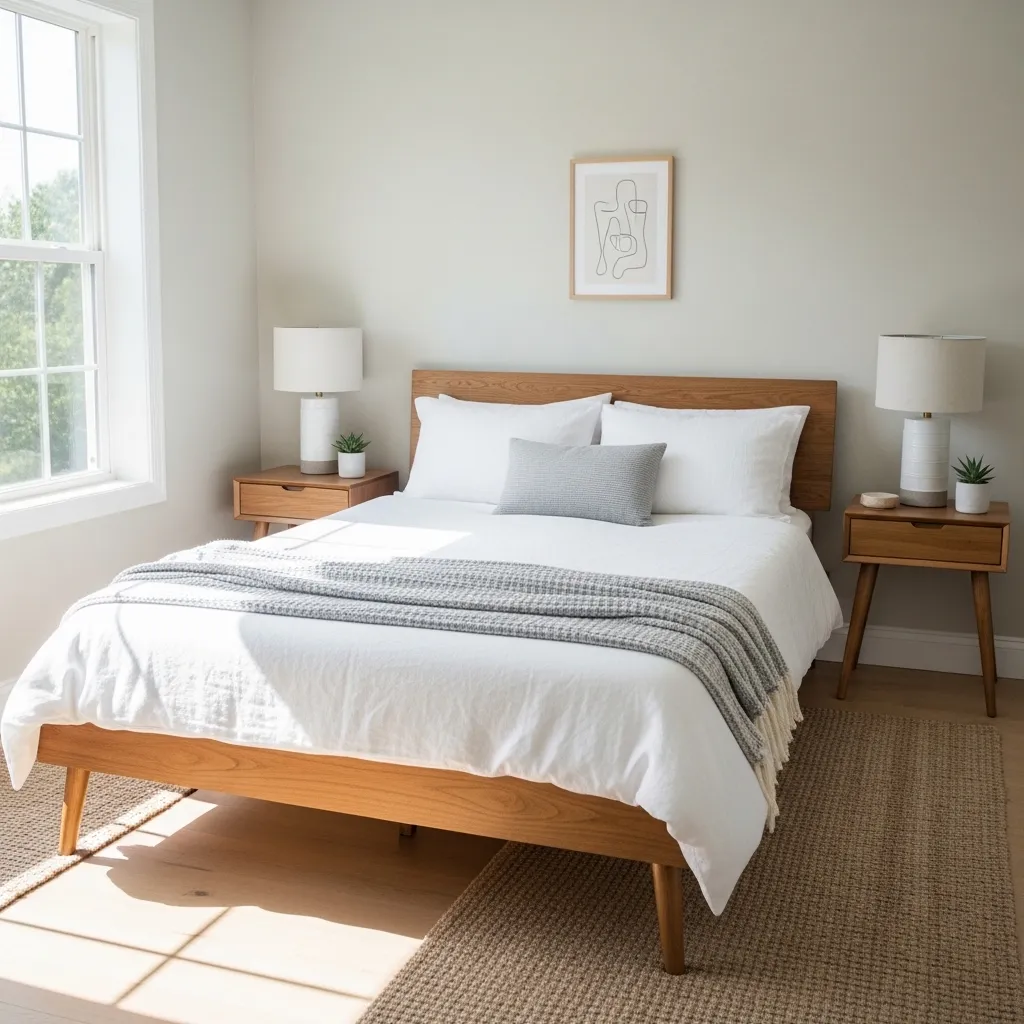
6. Opt for Furniture with Legs
Furniture that sits directly on the floor can make a room feel grounded—in a heavy way. I choose sofas, chairs, and beds with exposed legs.
Seeing a sliver of floor space underneath furniture creates a sense of airiness and flow. It makes the room feel less crowded because you can see more of the actual floor, tricking your eye into perceiving more space.
7. Use Large-Scale Art (Seriously!)
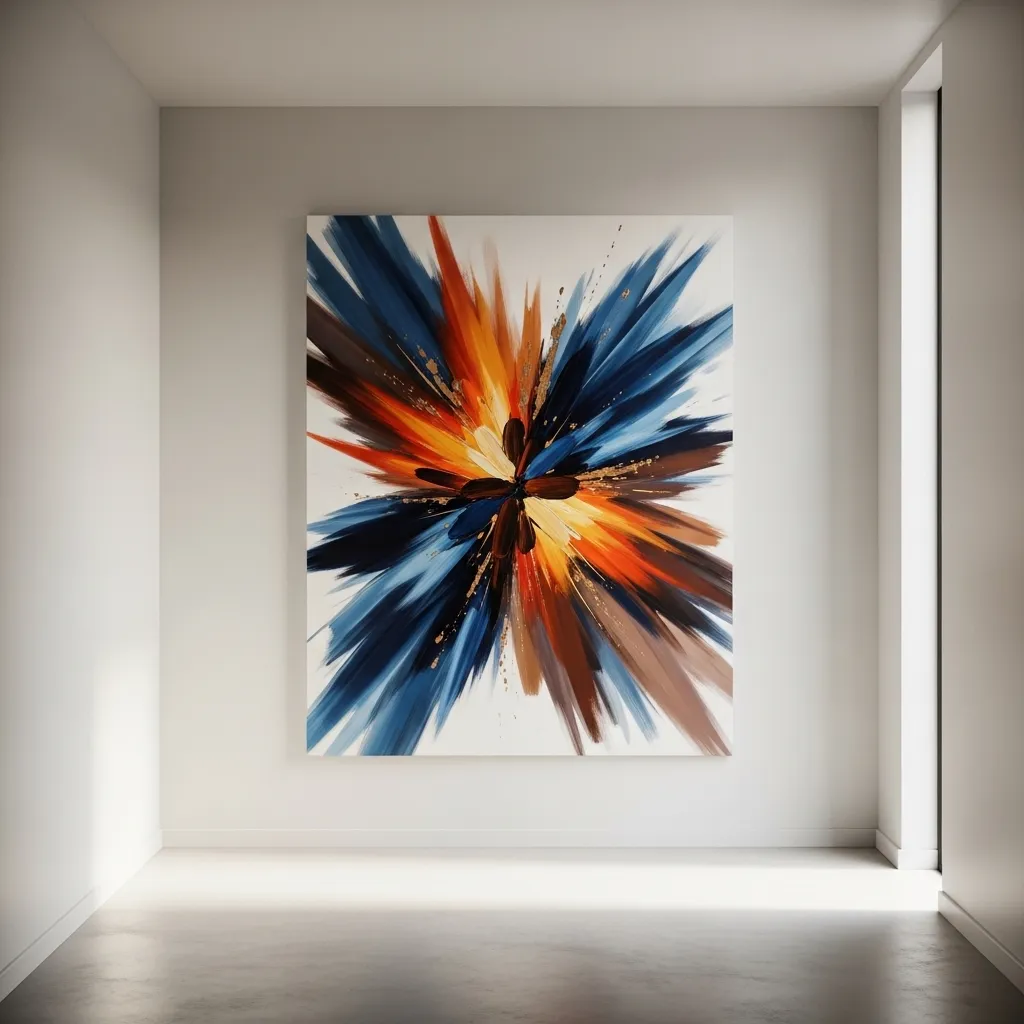
It sounds counterintuitive, but one large piece of art is often better than a cluster of small ones in a tiny room. A gallery wall, while lovely, can sometimes feel busy and make the walls feel closer.
One bold, large-scale painting or photograph gives the eye a single focal point and can actually make the wall feel farther away. It adds major personality without visual clutter.
8. Get Clever with Hidden Storage
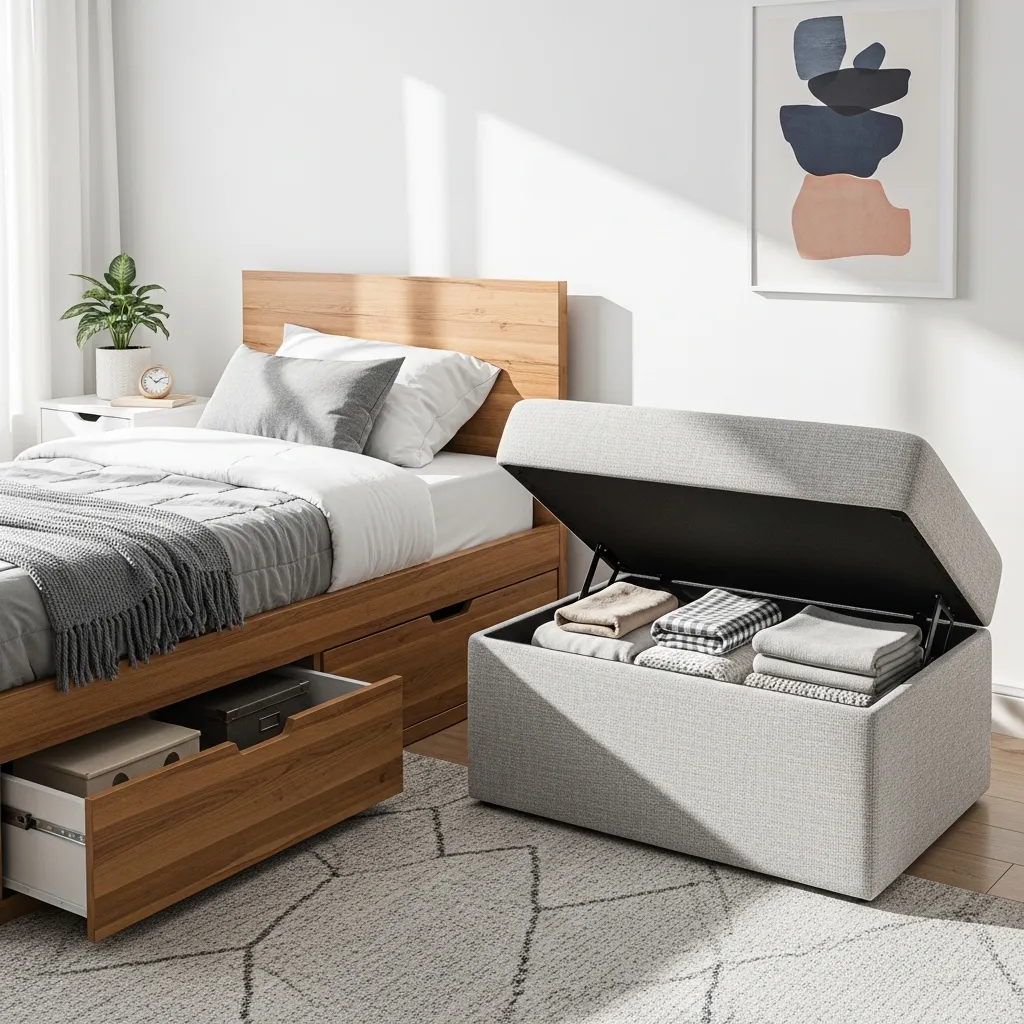
Beyond multi-functional pieces, I get sneaky with storage. It’s all about using “dead” space. Think under the bed with rolling bins, inside the toe-kick of kitchen cabinets, or on the back of doors.
I’ve even used a hollow bench for seating that opens up for blankets. When everything has a designated, hidden home, surfaces stay clear and the room instantly feels more spacious.
9. Stick to a Cohesive Color Story
A consistent color palette throughout the room creates a seamless, flowing look. When colors clash or there are too many competing hues, the space can feel choppy and even smaller.
I pick 2-3 main colors and maybe 1-2 accents, then repeat them in the rug, pillows, art, and accessories. This harmony is calming and helps the room feel like one unified, open space.
10. Ditch the Bulky Overhead Light
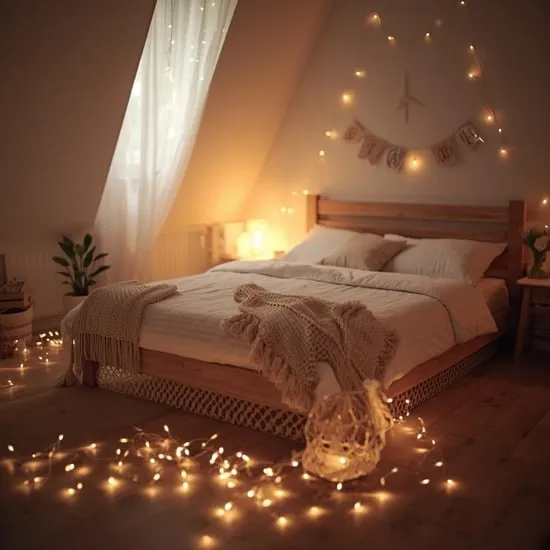
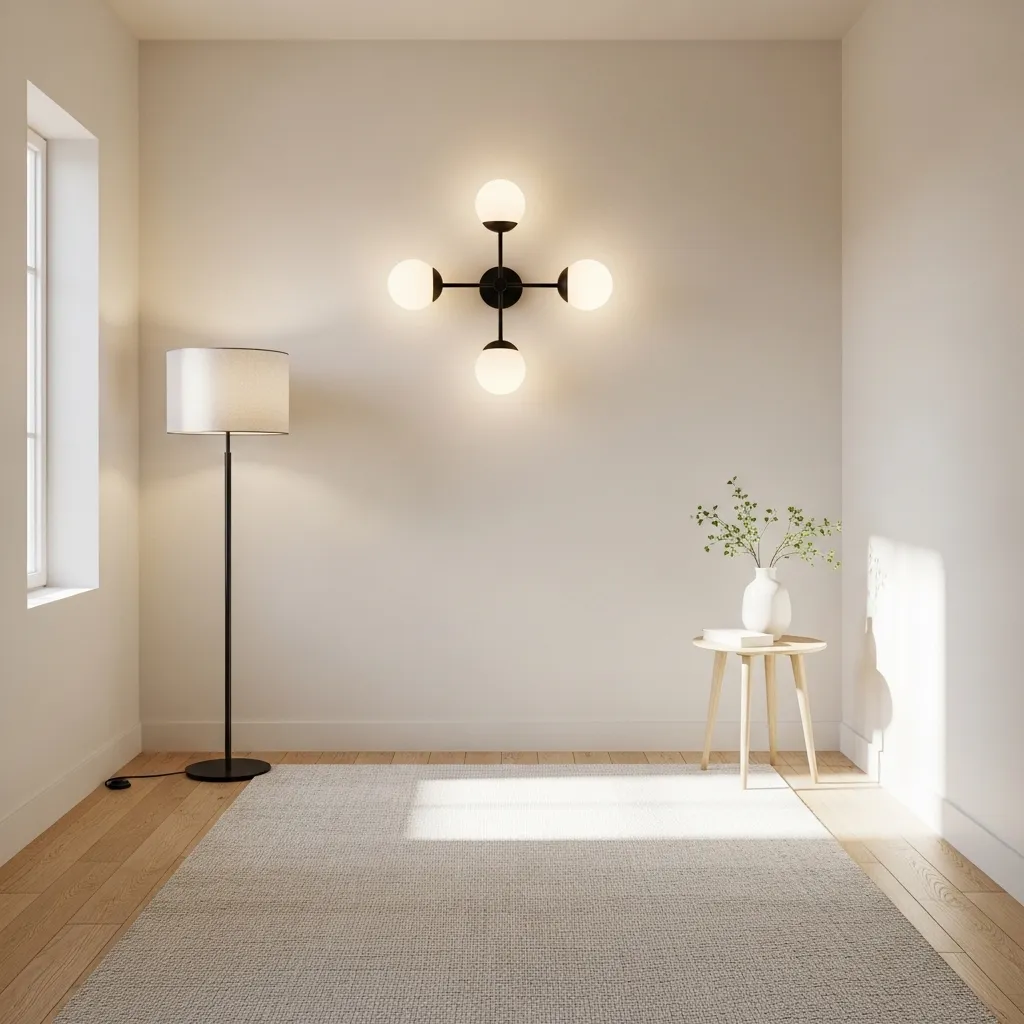
Harsh, single-source overhead lighting casts unflattering shadows and does nothing for ambiance. Instead, I layer my lighting.
I use a combination of floor lamps, table lamps, and wall sconces to create pools of light around the room. This adds warmth, dimension, and makes every corner feel usable and inviting. It makes the room feel larger because you can see all of it clearly.
11. Keep It Clutter-Free & Curated
This is the most important rule. A small room has zero tolerance for clutter. I adopt a “one in, one out” policy and regularly edit my belongings.
Surfaces like nightstands, shelves, and countertops need breathing room. I display only my most loved items. A curated, edited space always feels larger and more serene than a crowded one, no matter its actual size.
Your Cozy Sanctuary Awaits
Remember, a small room makeover is a journey of editing and intention. It’s not about filling every corner, but about choosing what serves you and brings you joy. Start with one idea—maybe clearing the clutter or hanging a mirror—and build from there. Your perfectly cozy, functional sanctuary is totally within reach.
Small Room Makeover FAQ
Q: What color makes a small room look bigger?
A: Light, reflective colors like soft whites, pale grays, and pastels are best. They bounce light around, making walls feel farther away.
Q: Should I avoid dark colors in a small room entirely?
A: Not necessarily! One dark accent wall or using dark colors on built-ins can add depth and sophistication. Just balance it with plenty of light elsewhere.
Q: What’s the biggest mistake in a small room?
A: Using too many small, scattered pieces of furniture and decor. It creates visual noise. Opt for fewer, larger-scale, multi-functional pieces instead.
Q: Can I have patterns in a small room?
A: Yes, but use them strategically. One large-patterned accent, like a rug or a single curtain panel, can add life. Avoid lots of small, busy patterns that compete.
Q: Where should I place a mirror to maximize space?
A: Directly across from a window is ideal to reflect the most light. Also consider placing one behind a light source or in a dark corner to brighten it up.